


- Specialities

- Bariatric Surgery
- Breast Care Center
- Cardiac Surgery
- Cardiology
- Chest Medicine
- Dental Care
- Dermatology
- ENT
- Endocrinology and Diabetes
- Gastroenterology
- General Surgery and Minimal Access Surgery
- HPB and Surgical Gastroenterology
- Haematology and BMT
- Infectious Diseases
- Internal Medicine
- Interventional Radiology
- Mental Health
- Nephrology
- Neurology
- Neurosurgery
- Nutrition and Dietetics
- Obs and Gynaecology
- Oncology
- Ophthalmology
- Organ Transplant
- Orthopaedics
- Paediatrics
- Pain Clinic
- Plastic and Cosmetic Surgery
- Rehabilitation
- Rheumatology
- Robotic Knee Replacement
- Robotic Surgery
- Spine Surgery
- TAVI / TAVR
- Urology
- Appointment
- About


Community Initiatives
Through Jupiter Foundation, we ensure world class health care for the people that are economically challenged. Jupiter Foundation works on the philosophy of putting the patient first in everything.
Careers
At Jupiter, we believe there is a better path to healing that humanizes the practice of health care and inspires hope in the Patient & family who need it most. Our primary value – The needs of the patient come first – is at centre of our plans and decisions. You'll also find that our pride – in where we work, and in what we do – is a common trait. You will be truly part of an amazing team committed to solving the most serious and complex medical challenges.
Media Centre

News & Events



 View Map
 Book an Appointment
 Find a Doctor
 Health Check-up


Pain Clinic in Dombivli

Your Path to Pain Relief Through Structured and Personalised Pain Management
Visit the pain clinic in Dombivli at Jupiter Hospital, where a dedicated team focuses on helping patients manage pain effectively and regain daily comfort. Our pain specialists follow a structured approach that combines medical treatment, physiotherapy, guided exercises, and lifestyle modifications.
Pain management is often misunderstood as short-term relief using painkillers alone. At our pain management Clinic in Dombivli, consultants focus on identifying the underlying cause of pain and creating long-term management plans rather than temporary symptom control.
Pain can arise from medical conditions, injuries, post-treatment effects, or chronic disorders and may interfere with routine activities without warning. Pain management is treated as a specialised medical discipline aimed at improving quality of life by reducing or controlling both acute and long-standing pain.
Our comprehensive approach includes medications, physical therapies, relaxation methods, counselling support, and lifestyle guidance. The pain clinic doctors in Dombivli emphasise early evaluation to ensure better long-term outcomes, especially for pain that persists for weeks or months.
Team
Looking for the Pain Clinic in Dombivli
Pain can develop due to a wide range of health conditions, including:
- Musculoskeletal problems such as joint pain, frozen shoulder, cervical spondylosis, and different forms of arthritis, including gout, rheumatoid arthritis, and osteoarthritis
- Autoimmune disorders such as lupus and Crohn’s disease, where the immune system affects healthy tissues
- Endometriosis
- Chronic pain disorders such as fibromyalgia and central pain syndrome
- Facial pain conditions
- Neuropathy, often linked to long-standing nerve damage caused by underlying illnesses
- Persistent or recurring headaches
-
Acute Pain
Acute pain usually develops suddenly and is often associated with injuries or medical conditions. This may include pain due to fractures, burns, infections, or surgical procedures. Management focuses on treating the root cause to achieve relief as early as possible. -
Chronic Pain
Chronic pain continues for extended periods and may result from untreated injuries or long-term conditions. Pain management in Dombivli addresses chronic pain linked to disorders such as arthritis and fibromyalgia through structured and ongoing care plans. -
Nociceptive Pain
Nociceptive pain occurs due to tissue damage, triggering pain receptors that send signals to the brain. This type of pain is commonly associated with injuries, inflammation, or organ-related conditions and requires targeted intervention. -
Neuropathic Pain
Neuropathic pain develops due to abnormalities in the nervous system and may occur without visible tissue damage. Conditions such as diabetes or viral infections can contribute to this form of pain, which requires specialised management strategies.
Pain management begins with a detailed assessment to identify the underlying cause. During consultation, specialists review medical history, pain patterns, location, and severity. This helps determine whether the cause can be identified clinically or if diagnostic tests are required.
When the cause is clear, a focused treatment plan is initiated. If the source of pain remains uncertain, further investigations may be advised to confirm the diagnosis and guide treatment decisions.
-
Home-Based Care
For mild to moderate musculoskeletal injuries, patients may be advised simple techniques such as rest, ice application, compression, elevation, and basic movement exercises. -
Counselling and Psychological Support
Therapeutic approaches such as counselling, cognitive behavioural therapy, and guided relaxation help address the emotional and mental impact of long-term pain. These methods support better coping mechanisms for chronic discomfort. -
Exercise-Based Therapy
Regular physical activity improves blood flow, posture, strength, and joint movement. Recommended activities may include stretching routines, yoga, swimming, walking, or low-impact aerobic exercises. -
Hands-On Therapies
Physical therapy, massage techniques, chiropractic care, and acupuncture are integrated where appropriate to reduce pain and improve mobility. -
Lifestyle Adjustments
Lifestyle-related pain triggers are addressed through weight management, improved sleep routines, dietary guidance, and increased physical activity. -
Medication Support
When non-medication methods are insufficient, medicines may be prescribed either alone or alongside other therapies. These may include anti-inflammatory drugs or condition-specific medications.
- Improved overall quality of life
- Better mental and emotional well-being
- Enhanced physical movement and daily functioning
We follow strict treatment and safety standards at our pain clinic in Dombivli. The clinic is supported by updated diagnostic tools and evidence-based treatment methods to ensure accurate evaluation and effective pain control.
Gallery
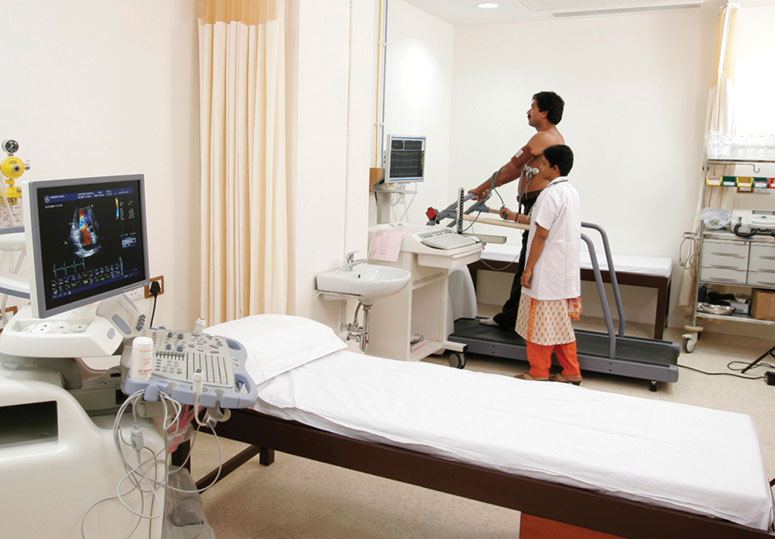
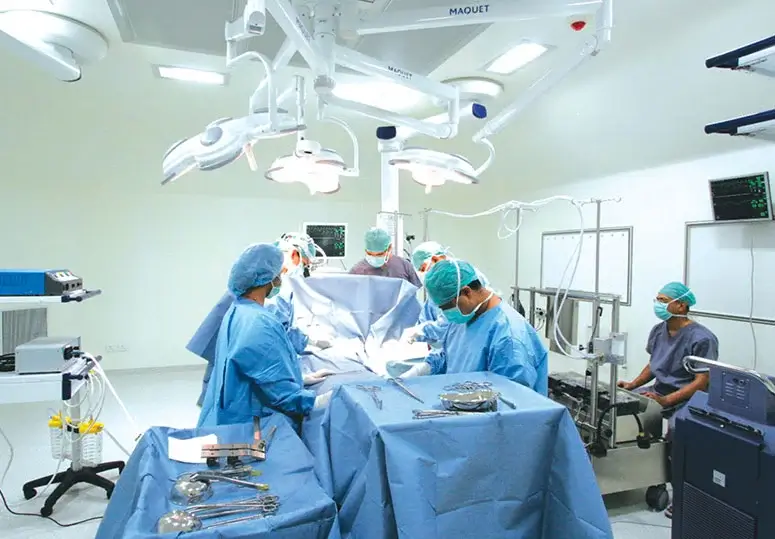
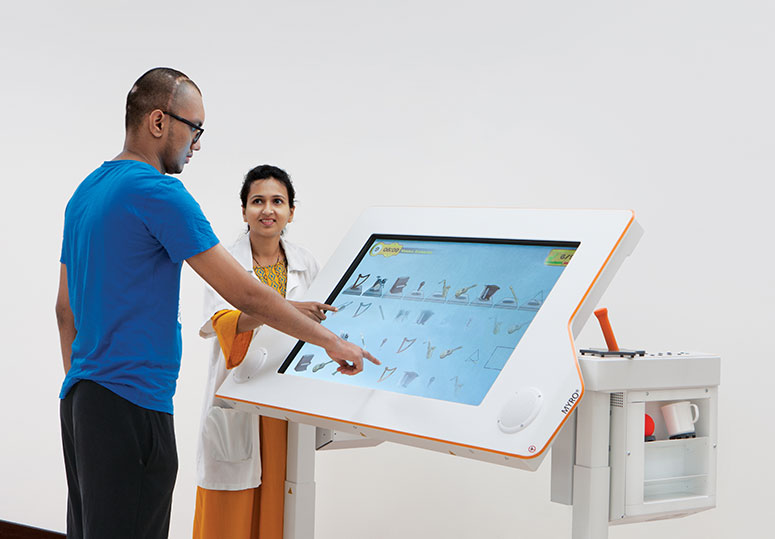
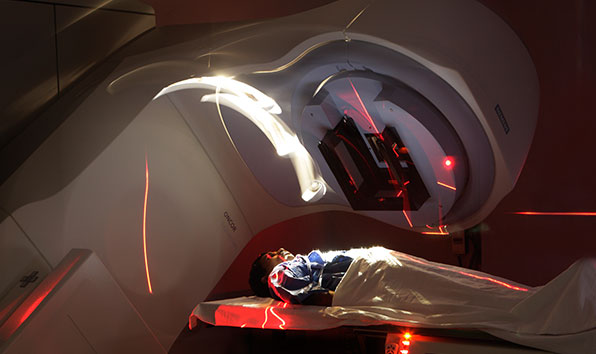
An overview of Jupiter Hospital’s infrastructure

 Find a Doctor
 Health Checkup
 Book an Appointment