


- Specialities

- Bariatric Surgery
- Breast Care Center
- Cardiac Surgery
- Cardiology
- Chest Medicine
- Dental Care
- Dermatology
- ENT
- Endocrinology and Diabetes
- Gastroenterology
- General Surgery and Minimal Access Surgery
- HPB and Surgical Gastroenterology
- Haematology and BMT
- Infectious Diseases
- Internal Medicine
- Interventional Radiology
- Mental Health
- Nephrology
- Neurology
- Neurosurgery
- Nutrition and Dietetics
- Obs and Gynaecology
- Oncology
- Ophthalmology
- Organ Transplant
- Orthopaedics
- Paediatrics
- Pain Clinic
- Plastic and Cosmetic Surgery
- Rehabilitation
- Rheumatology
- Robotic Knee Replacement
- Robotic Surgery
- Spine Surgery
- TAVI / TAVR
- Urology
- Appointment
- About


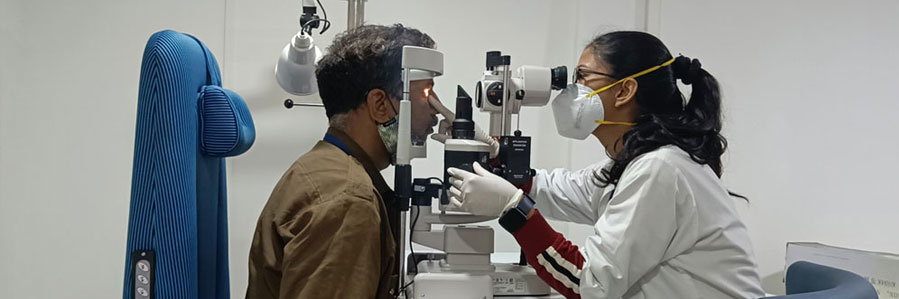
Community Initiatives
Through Jupiter Foundation, we ensure world class health care for the people that are economically challenged. Jupiter Foundation works on the philosophy of putting the patient first in everything.

Careers
At Jupiter, we believe there is a better path to healing that humanizes the practice of health care and inspires hope in the Patient & family who need it most. Our primary value – The needs of the patient come first – is at centre of our plans and decisions. You'll also find that our pride – in where we work, and in what we do – is a common trait. You will be truly part of an amazing team committed to solving the most serious and complex medical challenges.
Media Centre

News & Events

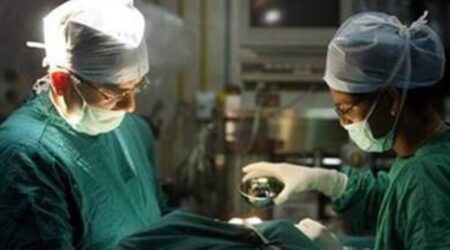


 View Map
 Book an Appointment
 Find a Doctor
 Health Check-up


Lab Tests in Dombivli

- CBC: To detect anaemia
- Urine routine and culture: To rule out infection or blood in urine
- 24-hour urine protein: Should be less than 200 mg/day
- Kidney function tests and GFR: GFR should exceed 80 ml/min
- Oral GTT / HbA1c: To rule out diabetes
- Liver function tests: To exclude liver disease
- BT / PT / PTT: To assess bleeding risk
- Abdominal ultrasound: To confirm presence and structure of both kidneys
- CT angiography / renal angiography: To assess blood vessels for surgery
- Isotope renogram: To evaluate function of each kidney separately
- HIV, Hepatitis B, Hepatitis C, CMV: To prevent viral transmission
- Psychological assessment: To confirm voluntary and informed consent
Final Review and Transplant Approval
After completing evaluations of both donor and recipient, the surgical and medical teams conduct a joint review. The anaesthesia team re-examines all records and explains the surgical plan in detail. A transplant coordinator assists with preparation of legal documents required for approval.
The recipient, donor, and their family members then appear before the appropriate committee. This committee ensures that no commercial involvement exists and that all ethical guidelines are followed. Once approval is granted, the kidney transplant surgery is scheduled.
Looking for the Lab Tests in Dombivli
Dialysis While Awaiting Transplant
Patients undergoing dialysis while awaiting kidney transplant in Dombivli often experience reduced quality of life. Average life expectancy on dialysis ranges between five and ten years. Transplantation, especially with a living donor, offers better survival outcomes and improved long-term health, making it the preferred treatment option whenever feasible.

Do You Have Any Query
Please fill out the form & our representative will contact you within 24hrs.
 Find a Doctor
 Health Checkup
 Book an Appointment