


- Specialities

- Bariatric Surgery
- Breast Care Center
- Cardiac Surgery
- Cardiology
- Chest Medicine
- Dental Care
- Dermatology
- ENT
- Endocrinology and Diabetes
- Gastroenterology
- General Surgery and Minimal Access Surgery
- HPB and Surgical Gastroenterology
- Haematology and BMT
- Infectious Diseases
- Internal Medicine
- Interventional Radiology
- Mental Health
- Nephrology
- Neurology
- Neurosurgery
- Nutrition and Dietetics
- Obs and Gynaecology
- Oncology
- Ophthalmology
- Organ Transplant
- Orthopaedics
- Paediatrics
- Pain Clinic
- Plastic and Cosmetic Surgery
- Rehabilitation
- Rheumatology
- Robotic Knee Replacement
- Robotic Surgery
- Spine Surgery
- TAVI / TAVR
- Urology
- Appointment
- About


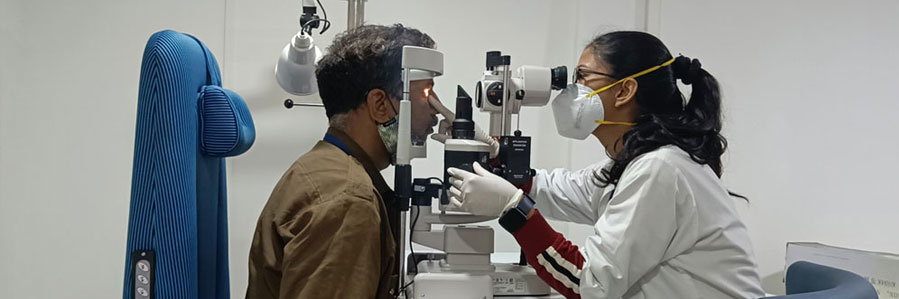
Community Initiatives
Through Jupiter Foundation, we ensure world class health care for the people that are economically challenged. Jupiter Foundation works on the philosophy of putting the patient first in everything.

Careers
At Jupiter, we believe there is a better path to healing that humanizes the practice of health care and inspires hope in the Patient & family who need it most. Our primary value – The needs of the patient come first – is at centre of our plans and decisions. You'll also find that our pride – in where we work, and in what we do – is a common trait. You will be truly part of an amazing team committed to solving the most serious and complex medical challenges.
Media Centre

News & Events



 View Map
 Book an Appointment
 Find a Doctor
 Health Check-up


Cardiac Surgery in Dombivli

Comprehensive Surgical Care in Dombivli for Complex Heart Conditions
At Jupiter Hospital, we provide structured and evidence-based cardiac surgery treatment in Dombivli for patients who require surgical management of heart conditions. As a dedicated Cardiac Surgery hospital in Dombivli, the focus remains on accurate diagnosis, careful surgical planning, and coordinated post-operative care.
The Cardiac Surgery department is supported by a multidisciplinary team that includes cardiac surgeons, cardiologists, cardiac anaesthesiologists, and intensive care specialists. The team works collaboratively to design treatment plans based on clinical findings, disease severity, and individual patient needs.
Team
Looking for the Cardiac Surgeon in Dombivli
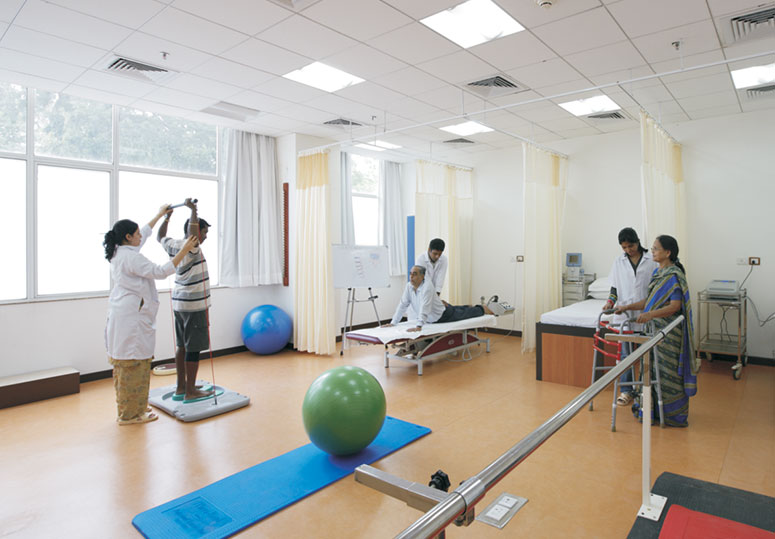
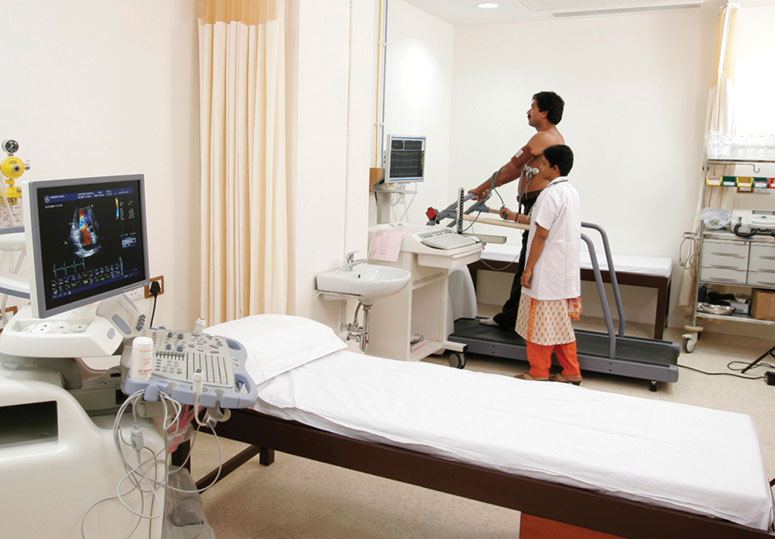
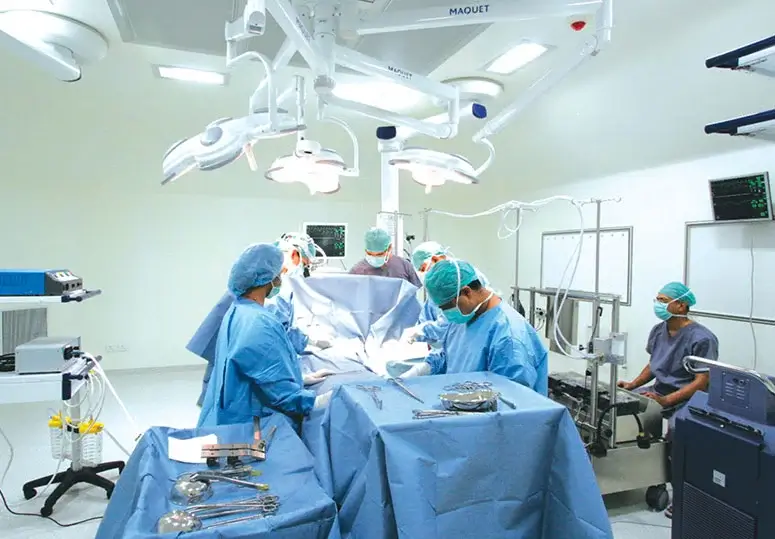
Jupiter Hospital has received NABH accreditation from the Quality Council of India, reflecting adherence to established standards in clinical care and patient safety. This accreditation underscores the hospital’s commitment to delivering care through organised, patient-centric facilities. The clinical environment is planned to support patient comfort and recovery, with thoughtfully designed spaces that enable smooth movement, monitoring, and post-operative care throughout the treatment journey.
Care Services Focused on Patient Needs
Care delivery follows a patient-first approach supported by structured processes and accessible healthcare services. Planned service pathways help ensure that cardiac treatment remains organised and consistent at every stage. The hospital infrastructure provides a calm and functional environment that supports patients and families during consultations, procedures, and recovery.
Integrated Cardiac Care in One Setting
Jupiter Hospital offers a coordinated range of cardiac care services within a single clinical framework. From advanced imaging and structured diagnostic screening to surgical and post-operative care, treatment pathways are designed to support timely evaluation, intervention, and follow-up. This integrated approach helps maintain continuity of care across diagnosis, surgery, and recovery.
Precision-Driven Technology in Cardiac Surgery
Cardiac care is supported by contemporary medical technology and clinically validated techniques. Diagnostic tools, surgical planning systems, and operative equipment are selected to support accuracy, consistency, and procedural safety. This technology-enabled approach allows the cardiac surgery team to manage complex cases while maintaining established clinical standards.
Digital Medical Records for Continuity of Care
Electronic medical record facilities support continuity and coordination of care. These systems allow authorised clinicians and patients to access medical information when required, helping maintain consistency across consultations, treatment planning, and follow-up care.
Hygiene Protocols and Surgical Safety Measures
Strict hygiene and sanitation standards are maintained across all cardiac surgical areas to support patient safety and recovery. The Central Sterile Supply Department (CSSD) follows controlled sterilisation processes to ensure surgical instruments meet defined safety requirements. Operation theatres are equipped with laminar airflow systems that help maintain optimal air quality during surgical procedures and reduce the risk of infection.
The Cardiac Surgery department at Jupiter Hospital is led by an experienced team specialising in complex cardiac procedures, including bypass surgery. Bypass surgery plays an important role in restoring blood circulation by redirecting blood flow around blocked or damaged arteries. Care pathways are structured to support patients through pre-operative preparation, peri-operative management, and post-operative recovery, ensuring continuity and clinical oversight at every stage.
An Overview of Coronary Bypass Surgery
Heart bypass surgery, medically referred to as Coronary Artery Bypass Grafting (CABG), is performed to address partially or completely blocked coronary arteries. The procedure involves redirecting blood flow by creating a bypass using a healthy blood vessel taken from the patient’s leg, arm, or chest.
CABG does not treat the underlying cause of coronary artery disease. It helps relieve symptoms, supports improved heart function, and reduces the risk of complications such as cardiac arrest and heart failure.
Clinical Situations Where Bypass Surgery Is Considered
Bypass surgery may be recommended for patients with the following cardiac conditions:
- Severe Angina (Chest Pain): Patients experiencing chest pain, persistent fatigue, or shortness of breath due to restricted coronary blood flow may require surgical intervention.
- Multiple Damaged Arteries With Reduced Left Ventricular Function: When two or more arteries are affected and the left ventricle does not function efficiently, bypass surgery may be considered.
- Severely Diseased or Blocked Left Main Coronary Artery: Significant disease involving the left main coronary artery may require bypass surgery to maintain adequate circulation.
- Stenotic Arteries Unsuitable for Angioplasty and Stent Placement: In cases where arteries are too narrow or complex for angioplasty or stenting, bypass surgery may be the preferred option.
Approaches to Coronary Bypass Surgery
- Conventional Bypass Surgery: This approach follows traditional open-heart surgery with support from a heart-lung machine.
- Off-Pump Bypass Surgery: This technique is performed on a beating heart without the use of a heart-lung machine, using specialised stabilisation equipment.
- Minimally Invasive Bypass Surgery: This method is performed through small chest incisions using video imaging and robotic assistance in selected patients.
Expected Positive Outcomes of Bypass Surgery
Patients undergoing bypass surgery may experience:
- relief from chest pain and discomfort
- return to a normal lifestyle
- reduced risk of cardiac arrest
- reduced risk of heart failure
- improved survival outcomes in selected patients
These outcomes make bypass surgery a beneficial option for individuals with specific cardiac issues.
Patients may require Cardiac Surgery for heart failure when medical management alone does not provide adequate control. Heart failure occurs when the heart is unable to pump blood effectively to meet the body’s needs.
This condition may develop due to coronary artery disease (blocked arteries), heart valve disease (malfunctioning valves), cardiomyopathy, myocarditis, arrhythmias (abnormal heart rhythms), congenital heart defects (birth defects in the heart), or complex vascular conditions such as aortic aneurysms and dissections (bulges or tears in the aorta), resulting in heart failure (inability to pump blood effectively).
Understanding the Nature of Heart Failure
Heart failure, often referred to as congestive heart failure, is characterised by reduced cardiac pumping efficiency. The condition may progress gradually or develop following structural or functional damage to the heart. Symptoms may include palpitations, itching and numbness, or visible signs such as cyanosis, depending on disease severity.
How Heart Failure Is Diagnosed
Diagnosing heart failure involves a detailed clinical evaluation supported by targeted investigations. Some of these diagnostic tests may include:
- Blood tests
- Chest X-rays
- Stress test using a Treadmill Test
- ECG test (Electrocardiogram) or EKG test
- Echocardiogram, including heart ultrasound (2d echo)
- Coronary angiogram or cardiac angiogram
- CT Coronary Angiography
- Myocardial biopsy
- Magnetic resonance imaging (MRI) scan
- Cardiac computerised tomography (CT) scan
Along with these, laboratory markers such as cardiac biomarkers may also be tested and rhythm assessment using a Holter monitor test. These assessments help clinicians accurately diagnose heart failure and plan appropriate treatment.
Surgical and Device-Based Treatment Options
Heart failure may be managed through a range of surgical and device-based treatments, including:
- Coronary Bypass Surgery: Performed to restore blood flow in significantly blocked coronary arteries.
- Heart Valve Surgery: Used to repair or replace damaged or leaking valves through appropriate surgical approaches.
- Congenital Heart Defect Repair: Performed to correct structural abnormalities present from birth.
- Arrhythmia Surgery: Used to manage abnormal heart rhythms that do not respond to medical therapy.
- Implantable Cardioverter-Defibrillators (ICDs) and pacemaker implantation: Devices placed to regulate abnormal heart rhythms and support cardiac function.
- Ventricular Assist Devices (VADs): Mechanical pumps that assist the heart in circulating blood in advanced cases.
- Heart Transplant: Considered for selected patients with severe heart failure not responding to other treatments.
The department offers Minimally Invasive Cardiac Surgery and Robotic Cardiac Surgery using specialised instruments and advanced imaging. These procedures are performed through small incisions to reduce surgical trauma where clinically appropriate.
An Introduction to Minimal Access Cardiac Surgery
Minimal access cardiac procedures use specialised imaging systems and robotic tools to enhance surgical precision while limiting invasiveness. These approaches form part of the hospital’s comprehensive cardiac surgery framework.
When a Minimally Invasive Approach May Be Used
Minimally invasive techniques may be considered for:
- mitral valve repair or replacement
- tricuspid valve repair or replacement
- aortic valve repair or replacement
- atrial septal defect repair
- atrioventricular septal defect correction
- coronary artery bypass surgery
- MAZE procedure for atrial fibrillation
- ventricular assist device placement
Advantages of Minimally Invasive Heart Surgery
Minimally invasive heart surgery may offer several advantages, including:
- reduced blood loss
- lower risk of infection
- reduced post-operative pain
- faster recovery
- minimal scarring
Jupiter Hospital is a trusted choice for patients seeking cardiac surgical care and the best cardiologists in Dombivli. Consult with our expert team who help you with everything, from understanding cardiac surgery costs to a structured evaluation and treatment planning. The focus remains on accurate diagnosis, appropriate surgical intervention, and long-term heart health management, supported by the best cardiac surgeon doctors in Dombivli.
Gallery
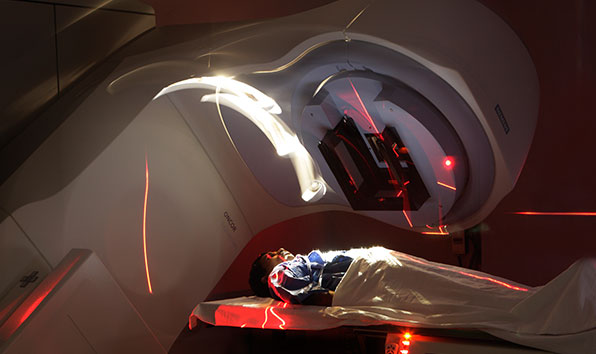
An overview of Jupiter Hospital’s infrastructure


Patients Speak
Hear the heartwarming stories of patients overcoming difficult afflictions

 Find a Doctor
 Health Checkup
 Book an Appointment