


- Specialities

- Bariatric Surgery
- Breast Care Center
- Cardiac Surgery
- Cardiology
- Chest Medicine
- Dental Care
- Dermatology
- ENT
- Endocrinology and Diabetes
- Gastroenterology
- General Surgery and Minimal Access Surgery
- HPB and Surgical Gastroenterology
- Haematology and BMT
- Infectious Diseases
- Internal Medicine
- Interventional Radiology
- Mental Health
- Nephrology
- Neurology
- Neurosurgery
- Nutrition and Dietetics
- Obs and Gynaecology
- Oncology
- Ophthalmology
- Organ Transplant
- Orthopaedics
- Paediatrics
- Pain Clinic
- Plastic and Cosmetic Surgery
- Rehabilitation
- Rheumatology
- Robotic Knee Replacement
- Robotic Surgery
- Spine Surgery
- TAVI / TAVR
- Urology
- Appointment
- About


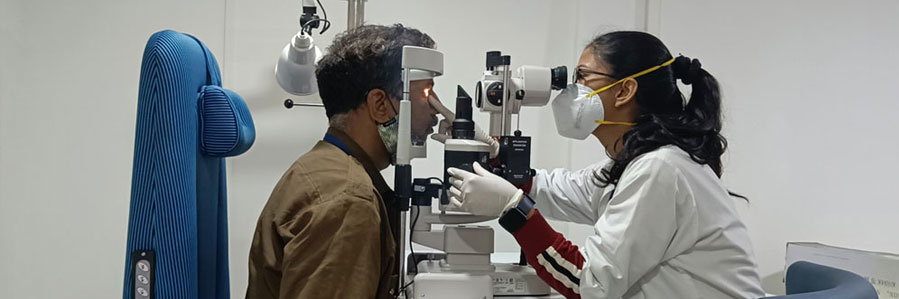
Community Initiatives
Through Jupiter Foundation, we ensure world class health care for the people that are economically challenged. Jupiter Foundation works on the philosophy of putting the patient first in everything.

Careers
At Jupiter, we believe there is a better path to healing that humanizes the practice of health care and inspires hope in the Patient & family who need it most. Our primary value – The needs of the patient come first – is at centre of our plans and decisions. You'll also find that our pride – in where we work, and in what we do – is a common trait. You will be truly part of an amazing team committed to solving the most serious and complex medical challenges.
Media Centre

News & Events



 View Map
 Book an Appointment
 Find a Doctor
 Health Check-up


Infectious Diseases in Dombivli

Comprehensive Infection Prevention, Control, and Clinical Care
The Infectious Diseases Unit at Jupiter Hospital functions as a specialised centre focused on the prevention, identification, and management of infectious conditions. As a recognised infectious disease hospital in Dombivli, the unit prioritises infection prevention strategies to limit disease transmission within hospital settings.
Internationally accepted infection control practices guide all clinical and non-clinical activities. A dedicated team of trained infection control officers, nurses, and clinical staff ensures strict adherence to safety protocols across patient care areas. Oversight is provided by the Hospital Infection Control Committee (HICC), which conducts routine training programs and audits to maintain consistent infection prevention standards.
Structured Approach to Infectious Diseases Treatment
Infectious disease treatment in Dombivli at Jupiter Hospital follows evidence-based clinical frameworks known as care bundles. These structured protocols are designed to reduce infection-related complications and support improved patient outcomes.
To maintain quality and safety, all healthcare personnel involved in patient care undergo competency-based training. This ensures that infection prevention measures are applied consistently across departments and clinical settings.
Team

Dr. Anuradha Sriram
Speciality: Microbiology and Infection Control
Designation: Consultant - Microbiology and HIC

Dombivli

Looking for the Infectious Diseases in Dombivli
Infection prevention relies on coordinated practices across clinical care, equipment handling, and environmental management. Key infection control initiatives implemented at the hospital include:
Hand Hygiene Compliance
Hand hygiene remains the foundation of infection prevention. Alcohol-based hand rubs (ABHR) are promoted in line with WHO recommendations. Regular audits and monitoring help ensure compliance, while ongoing staff education reinforces correct hand hygiene techniques.
Hand Hygiene Compliance
Hand hygiene remains the foundation of infection prevention. Alcohol-based hand rubs (ABHR) are promoted in line with WHO recommendations. Regular audits and monitoring help ensure compliance, while ongoing staff education reinforces correct hand hygiene techniques.
Ventilator-Associated Pneumonia (VAP) Prevention
Patients requiring ventilatory support receive respiratory care guided by infection prevention protocols. Daily evaluation of ventilator necessity and respiratory hygiene practices helps reduce VAP risk.
Catheter-Associated Urinary Tract Infection (CAUTI) Prevention
Strict aseptic techniques are followed during catheter insertion and maintenance. Continuous monitoring supports reduced incidence of catheter-related infections.
Central Line-Associated Bloodstream Infection (CLABSI) Prevention
Patients with central venous catheters are assessed daily using structured checklists to ensure appropriate insertion practices and line maintenance.
Personal Protective Equipment (PPE) Usage
Adequate PPE supplies are provided across clinical areas. Staff receive training on correct usage aligned with standard and transmission-based precautions.
Injection Safety Practices
Safe preparation and administration of injectable medications are strictly followed to minimise infection risks during parenteral therapy.
Surgical Site Infection Prevention
Post-surgical infection prevention continues even after discharge. Follow-up protocols are maintained during outpatient visits, with designated contact points for patient support.
Environmental Cleaning and Waste Management
Environmental hygiene protocols focus on routine surface cleaning, disinfection, and proper biomedical waste handling to prevent cross-contamination.
Medical Device Reprocessing
Strict protocols are followed for cleaning and reprocessing reusable devices. Single-use policies are enforced wherever applicable.
Monitoring of Healthcare-Associated Infections (HAIs) and MDROs
Robust surveillance systems are in place to identify, prevent, and manage healthcare-associated infections and multidrug-resistant organisms.
Biomedical Waste Disposal
Waste segregation, storage, transport, and disposal follow national biomedical waste management guidelines to ensure safety and compliance.
Isolation Facilities for Infected Patients
Dedicated isolation rooms within intensive care areas are used to prevent transmission from infected patients to others.
Infection prevention is a shared responsibility. Visitors are encouraged to follow simple measures that help maintain a safe hospital environment:
- Maintain Hand Hygiene: Use handwashing stations or sanitiser dispensers before and after patient visits
- Avoid Hospital Visits When Unwell: Visitors with fever, sore throat, fatigue, or viral symptoms should postpone visits
- Practice Respiratory Etiquette: Cover the mouth and nose while coughing or sneezing
- Use Designated Visitor Facilities: Cafeteria and visitor washrooms should be used instead of patient areas
- Avoid Outside Food and Flowers: These items are restricted to maintain hygiene and food safety standards
Patients seeking care from Jupiter Hospital, deemed the best infectious disease specialist in Dombivli by many, receive structured clinical evaluation, infection control oversight, and evidence-based management at Jupiter Hospital. The unit functions as a trusted centre for infectious disease treatment in Dombivli, supporting both patient safety and community health.
Gallery
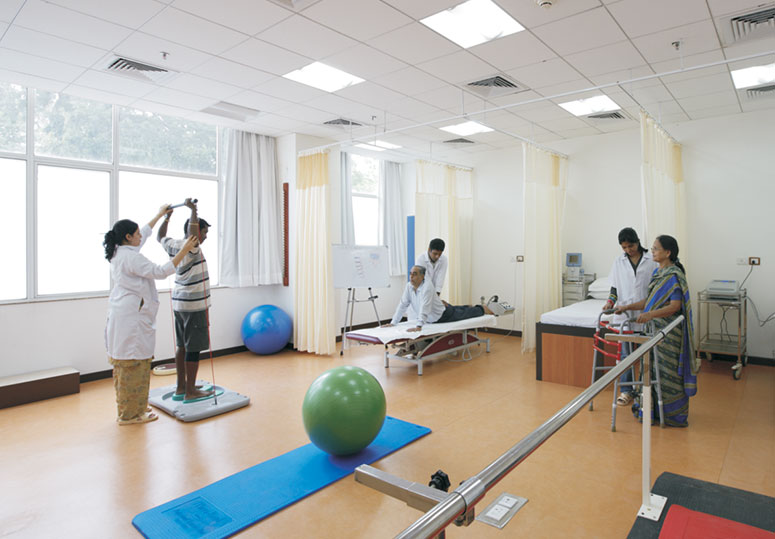
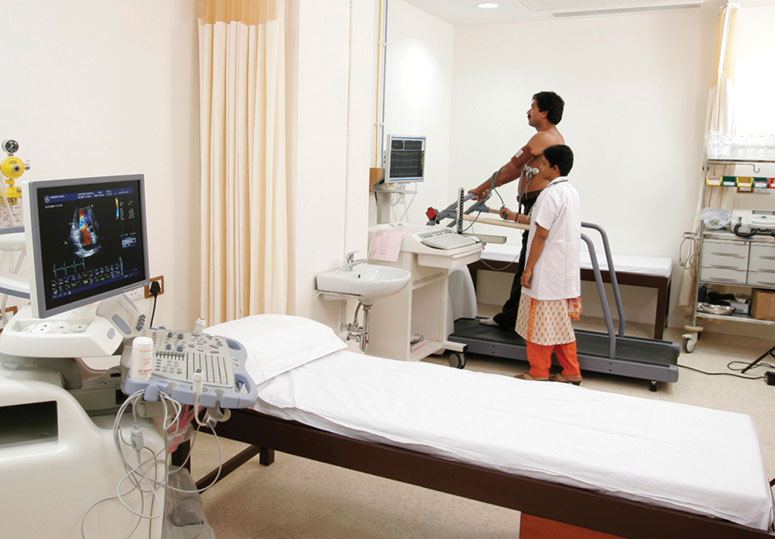
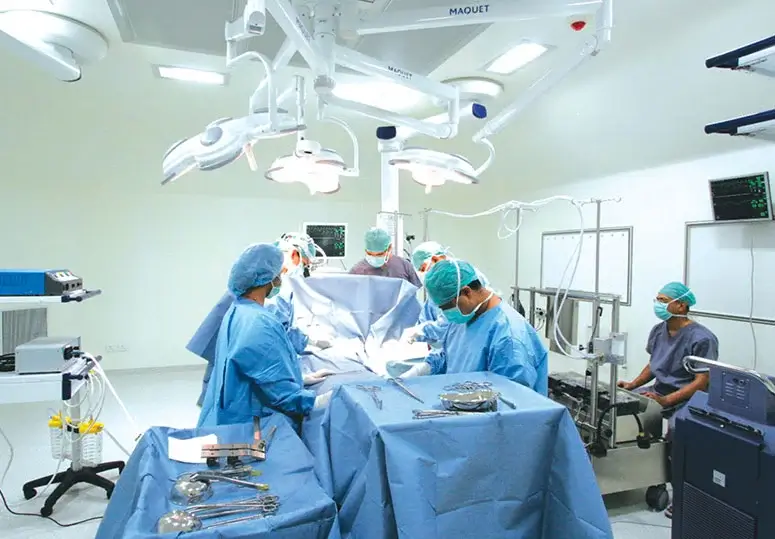
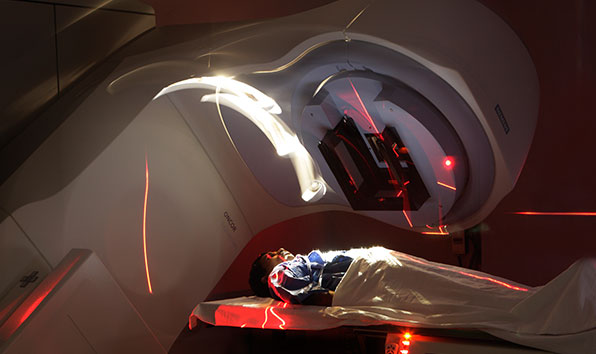
An overview of Jupiter Hospital’s infrastructure


Patients Speak
Hear the heartwarming stories of patients overcoming difficult afflictions

 Find a Doctor
 Health Checkup
 Book an Appointment