


- Specialities

- Bariatric Surgery
- Breast Care Center
- Cardiac Surgery
- Cardiology
- Chest Medicine
- Dental Care
- Dermatology
- ENT
- Endocrinology and Diabetes
- Gastroenterology
- General Surgery and Minimal Access Surgery
- HPB and Surgical Gastroenterology
- Haematology and BMT
- Infectious Diseases
- Internal Medicine
- Interventional Radiology
- Mental Health
- Nephrology
- Neurology
- Neurosurgery
- Nutrition and Dietetics
- Obs and Gynaecology
- Oncology
- Ophthalmology
- Organ Transplant
- Orthopaedics
- Paediatrics
- Pain Clinic
- Plastic and Cosmetic Surgery
- Rehabilitation
- Rheumatology
- Robotic Knee Replacement
- Robotic Surgery
- Spine Surgery
- TAVI / TAVR
- Urology
- Appointment
- About


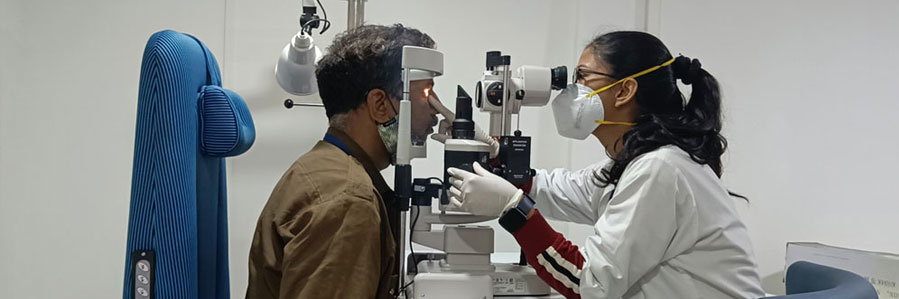
Community Initiatives
Through Jupiter Foundation, we ensure world class health care for the people that are economically challenged. Jupiter Foundation works on the philosophy of putting the patient first in everything.

Careers
At Jupiter, we believe there is a better path to healing that humanizes the practice of health care and inspires hope in the Patient & family who need it most. Our primary value – The needs of the patient come first – is at centre of our plans and decisions. You'll also find that our pride – in where we work, and in what we do – is a common trait. You will be truly part of an amazing team committed to solving the most serious and complex medical challenges.
Media Centre

News & Events



 View Map
 Book an Appointment
 Find a Doctor
 Health Check-up


Bone Marrow Transplant in Dombivli

A Journey of Renewal and Enhanced Quality of Life Through Bone Marrow Transplant Care
A bone marrow transplant (BMT) is a specialised medical procedure used to replace damaged or destroyed bone marrow with healthy bone marrow cells. Bone marrow is a soft, spongy tissue present inside bones and is responsible for producing red blood cells, white blood cells, and platelets. When this process is affected due to disease or intensive medical treatment, a transplant becomes a critical part of care.
Bone Marrow Transplant (BMT) involves collecting healthy bone marrow cells and infusing them into a patient after the diseased marrow has been treated to remove abnormal cells. These cells may be taken from the patient’s own body or from a compatible donor, depending on the medical requirement. The main aim of the procedure is to restore normal blood cell production and support long-term recovery.
At a dedicated bone marrow transplant hospital in Dombivli, each case is evaluated with care and precision. A bone marrow transplant specialist assesses the patient’s condition, medical history, and treatment needs before recommending the most suitable transplant approach. Under the guidance of the best bone marrow transplant doctor in Dombivli, the procedure is planned and monitored closely to ensure safety, effectiveness, and improved quality of life.
Team
Looking for the Bone Marrow Transplant in Dombivli
Need for Bone Marrow Transplant in Dombivli
Several acute and chronic medical conditions can affect the normal functioning of bone marrow and may require a bone marrow transplant as part of treatment. When the bone marrow is unable to produce healthy blood cells or is replaced by abnormal cells, a transplant becomes a necessary option to restore this vital function.
Common conditions that may require Bone Marrow Transplant (BMT) include:

Multiple Myeloma
is a cancer that develops in a specific type of white blood cell and interferes with normal blood cell production

Amyloidosis
Amyloidosis is a rare condition in which abnormal proteins accumulate in tissues and organs, leading to impaired bone marrow function.

Hodgkin’s and Non-Hodgkin’s Lymphoma
Hodgkin’s and non-Hodgkin’s lymphoma are cancers that affect lymphocytes, which play a vital role in the body’s immune system.

Myelofibrosis
Myelofibrosis is a rare blood disorder in which healthy bone marrow is progressively replaced by fibrous tissue, leading to impaired blood cell production.

Germ Cell Tumours
Germ cell tumours originate from reproductive cells and may be benign or malignant depending on the individual case and clinical findings.

Immune Disorders
Certain immune disorders involve abnormal immune system activity that damages bone marrow function and disrupts normal blood cell production.

Bone Marrow Failure Disorders
Bone marrow failure disorders, including aplastic anaemia and myelodysplastic syndromes, occur when the marrow is unable to produce sufficient healthy blood cells.

Post-Cancer Treatment Cases
In some cases, patients may require bone marrow transplantation following high-dose chemotherapy or radiation therapy as part of post-cancer treatment.
Types of Bone Marrow Transplant
Depending on the patient’s condition and treatment goals, different types of bone marrow transplants may be advised:

Autologous Bone Marrow Transplant
This type uses the patient’s own bone marrow cells. The cells are collected and preserved before high-dose chemotherapy or radiation therapy and are later infused back into the patient. It is often referred to as a rescue transplant.

Allogeneic Bone Marrow Transplant
In this approach, bone marrow cells are taken from a compatible donor, commonly a sibling or matched unrelated donor. Genetic matching tests are performed before the procedure to reduce the risk of complications.
 Find a Doctor
 Health Checkup
 Book an Appointment