


- Specialities

- Bariatric Surgery
- Breast Care Center
- Cardiac Surgery
- Cardiology
- Chest Medicine
- Dental Care
- Dermatology
- ENT
- Endocrinology and Diabetes
- Gastroenterology
- General Surgery and Minimal Access Surgery
- HPB and Surgical Gastroenterology
- Haematology and BMT
- Infectious Diseases
- Internal Medicine
- Interventional Radiology
- Mental Health
- Nephrology
- Neurology
- Neurosurgery
- Nutrition and Dietetics
- Obs and Gynaecology
- Oncology
- Ophthalmology
- Organ Transplant
- Orthopaedics
- Paediatrics
- Pain Clinic
- Plastic and Cosmetic Surgery
- Rehabilitation
- Rheumatology
- Robotic Knee Replacement
- Robotic Surgery
- Spine Surgery
- TAVI / TAVR
- Urology
- Appointment
- About


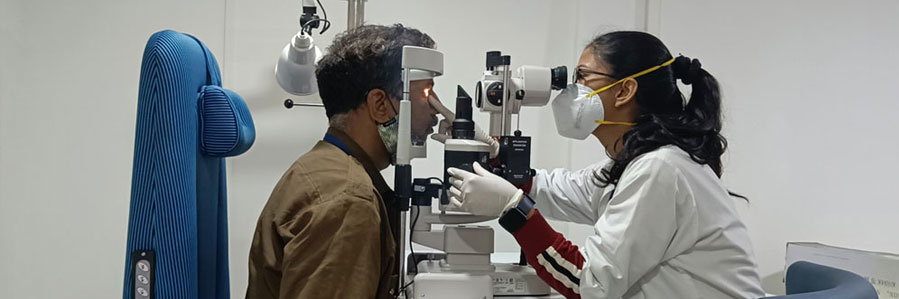
Community Initiatives
Through Jupiter Foundation, we ensure world class health care for the people that are economically challenged. Jupiter Foundation works on the philosophy of putting the patient first in everything.

Careers
At Jupiter, we believe there is a better path to healing that humanizes the practice of health care and inspires hope in the Patient & family who need it most. Our primary value – The needs of the patient come first – is at centre of our plans and decisions. You'll also find that our pride – in where we work, and in what we do – is a common trait. You will be truly part of an amazing team committed to solving the most serious and complex medical challenges.
Media Centre

News & Events



 View Map
 Book an Appointment
 Find a Doctor
 Health Check-up


Post-Bone Marrow Transplant Procedure in Dombivli

After the bone marrow transplant procedure, the infused stem cells travel to the bone marrow and begin the process of engraftment. Under normal conditions, new blood cell production usually starts within two to three weeks. This recovery phase is carefully monitored through regular blood tests. Until the bone marrow resumes normal function, some patients may require temporary blood cell transfusions.
During this period, close observation is essential. Side effects such as nausea, vomiting, fever, or infections may occur and should be reported to the treating doctor immediately. If recovery progresses well and blood counts stabilise, patients may be discharged after a few days. However, ongoing follow-up appointments remain a critical part of care at a bone marrow transplant hospital in Dombivli.
Patients and their families are often advised to stay close to the hospital for a few months, as the body typically takes around three months to adjust fully to the transplanted cells and rebuild immunity.
Looking for the Post-Bone Marrow Transplant Procedure in Dombivli
Life After a Bone Marrow Transplant
Life after a Bone Marrow Transplant (BMT) requires continued medical supervision and lifestyle adjustments to support long-term recovery.
- Regular Medical Follow-ups: Frequent follow-up visits are required during the first few months after the transplant. These visits allow the bone marrow transplant specialist in Dombivli to monitor blood counts, assess organ function, and detect any early complications.
- Use of Immunosuppressant Medication: In allogeneic transplants, immunosuppressant medicines may be prescribed to prevent the body from rejecting donor cells. The duration and dosage of these medicines are decided based on individual recovery and medical response.
- Hygiene and Healthy Living: Maintaining good personal hygiene is essential to reduce infection risk. Patients are encouraged to stay physically active as advised, follow a balanced diet, and avoid smoking. These measures support immune recovery and overall well-being.
Your healthcare team will also design a long-term monitoring plan to identify any delayed side effects that may appear months after the transplant. While a bone marrow transplant can greatly improve quality of life, strict adherence to medical advice and follow-up care plays a vital role in achieving a stable and healthy recovery under the guidance of the best bone marrow transplant doctor in Dombivli.

Do You Have Any Query
Please fill out the form & our representative will contact you within 24hrs.
 Find a Doctor
 Health Checkup
 Book an Appointment