


- Specialities

- Bariatric Surgery
- Breast Care Center
- Cardiac Surgery
- Cardiology
- Chest Medicine
- Dental Care
- Dermatology
- ENT
- Endocrinology and Diabetes
- Gastroenterology
- General Surgery and Minimal Access Surgery
- HPB and Surgical Gastroenterology
- Haematology and BMT
- Infectious Diseases
- Internal Medicine
- Interventional Radiology
- Mental Health
- Nephrology
- Neurology
- Neurosurgery
- Nutrition and Dietetics
- Obs and Gynaecology
- Oncology
- Ophthalmology
- Organ Transplant
- Orthopaedics
- Paediatrics
- Pain Clinic
- Plastic and Cosmetic Surgery
- Rehabilitation
- Rheumatology
- Robotic Knee Replacement
- Robotic Surgery
- Spine Surgery
- TAVI / TAVR
- Urology
- Appointment
- About


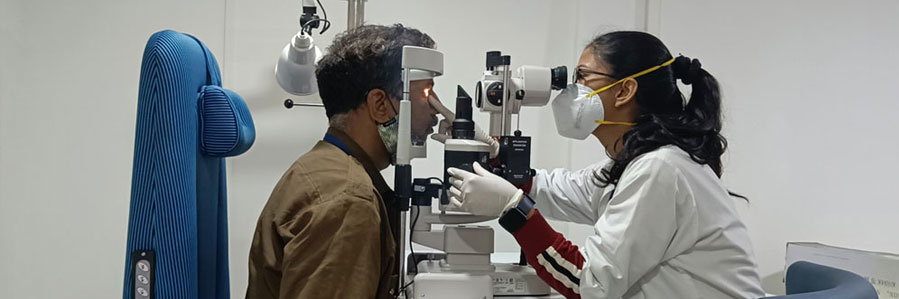
Community Initiatives
Through Jupiter Foundation, we ensure world class health care for the people that are economically challenged. Jupiter Foundation works on the philosophy of putting the patient first in everything.

Careers
At Jupiter, we believe there is a better path to healing that humanizes the practice of health care and inspires hope in the Patient & family who need it most. Our primary value – The needs of the patient come first – is at centre of our plans and decisions. You'll also find that our pride – in where we work, and in what we do – is a common trait. You will be truly part of an amazing team committed to solving the most serious and complex medical challenges.
Media Centre

News & Events



 View Map
 Book an Appointment
 Find a Doctor
 Health Check-up


Pre-Bone Marrow Transplant Evaluation in Dombivli

Before proceeding with a transplant, every patient undergoes a detailed pre-transplant evaluation. This assessment helps the treating team determine overall fitness for the procedure and plan the transplant safely. At a bone marrow transplant hospital in Dombivli, this stage includes medical history review, physical examination, blood tests, imaging, and organ function assessments to reduce risks and improve outcomes.
Looking for the Pre-Bone Marrow Transplant Evaluation in Dombivli
Autologous Bone Marrow Transplant – Step-by-Step Process

Step 1
Cell Collection
Over several days, medications are given to stimulate the production of stem cells. These cells are then collected through a vein in the arm or chest and safely stored for later use.

Step 2
Pre-Transplant Conditioning
High-dose chemotherapy is administered over a period of approximately five to ten days. In selected cases, radiation therapy may also be included to eliminate abnormal cells from the bone marrow.

Step 3
Stem Cell Infusion
On the day of transplant, the preserved stem cells are infused back into the patient’s bloodstream through a catheter. This infusion may be done in one or more sessions.

Step 5
Recovery and Monitoring
After infusion, patients are closely monitored for stem cell recovery and growth. Antibiotics are prescribed to reduce infection risk, and supportive care is provided to manage side effects.
Care during this phase is guided by a bone marrow transplant specialist in Dombivli, ensuring careful observation until blood counts begin to recover.
Allogeneic Bone Marrow Transplant – Step-by-Step Process
In an allogeneic transplant, stem cells are obtained from a compatible donor, and the process includes:

Step 1
Donor Identification
A suitable donor is identified through detailed matching tests. Once matched, medications may be given to increase stem cell production in the donor.
Step 2
Donor Cell Collection
Stem cells are collected either from the donor’s bone marrow or bloodstream, depending on the chosen method.
Step 3
Pre-Transplant Conditioning
The recipient undergoes chemotherapy, with or without radiation therapy, over five to seven days to prepare the body for donor cells.
Step 4
Donor Cell Infusion
On transplant day, donor stem cells are infused into the recipient’s bloodstream through a catheter. This procedure usually takes less than an hour.
Step 4
Recovery Phase
During early recovery, antibiotics help lower infection risk, and medications are given to manage graft-versus-host disease (GVHD) and other side effects.
Patients undergoing this process are closely supervised by the best bone marrow transplant doctor in Dombivli and a dedicated transplant care team.
Possible Complications of Bone Marrow Transplant
As with any major medical procedure, bone marrow transplantation can involve certain risks. Not all patients experience complications, but awareness is important.
- Graft Versus Host Disease (GVHD): GVHD is more commonly seen in allogeneic transplants. Symptoms may include skin rashes, dry eyes, breathlessness, nausea, and joint pain.
- Other Potential Complications: These may include infections, bleeding, organ-related issues involving the liver or kidneys, eye problems such as cataracts, infertility, numbness, or muscle cramps.
A BMT follows a structured and closely monitored approach to reduce these risks and safeguard patient health throughout the transplant journey.
 Find a Doctor
 Health Checkup
 Book an Appointment