


- Specialities

- Bariatric Surgery
- Breast Care Center
- Cardiac Surgery
- Cardiology
- Chest Medicine
- Dental Care
- Dermatology
- ENT
- Endocrinology and Diabetes
- Gastroenterology
- General Surgery and Minimal Access Surgery
- HPB and Surgical Gastroenterology
- Haematology and BMT
- Infectious Diseases
- Internal Medicine
- Interventional Radiology
- Mental Health
- Nephrology
- Neurology
- Neurosurgery
- Nutrition and Dietetics
- Obs and Gynaecology
- Oncology
- Ophthalmology
- Organ Transplant
- Orthopaedics
- Paediatrics
- Pain Clinic
- Plastic and Cosmetic Surgery
- Rehabilitation
- Rheumatology
- Robotic Knee Replacement
- Robotic Surgery
- Spine Surgery
- TAVI / TAVR
- Urology
- Appointment
- About


Community Initiatives
Through Jupiter Foundation, we ensure world class health care for the people that are economically challenged. Jupiter Foundation works on the philosophy of putting the patient first in everything.
Careers
At Jupiter, we believe there is a better path to healing that humanizes the practice of health care and inspires hope in the Patient & family who need it most. Our primary value – The needs of the patient come first – is at centre of our plans and decisions. You'll also find that our pride – in where we work, and in what we do – is a common trait. You will be truly part of an amazing team committed to solving the most serious and complex medical challenges.
Media Centre

News & Events



 View Map
 Book an Appointment
 Find a Doctor
 Health Check-up


Intestine Transplant in Dombivli

Restoring Digestive Function Through Advanced Intestinal Transplant Care
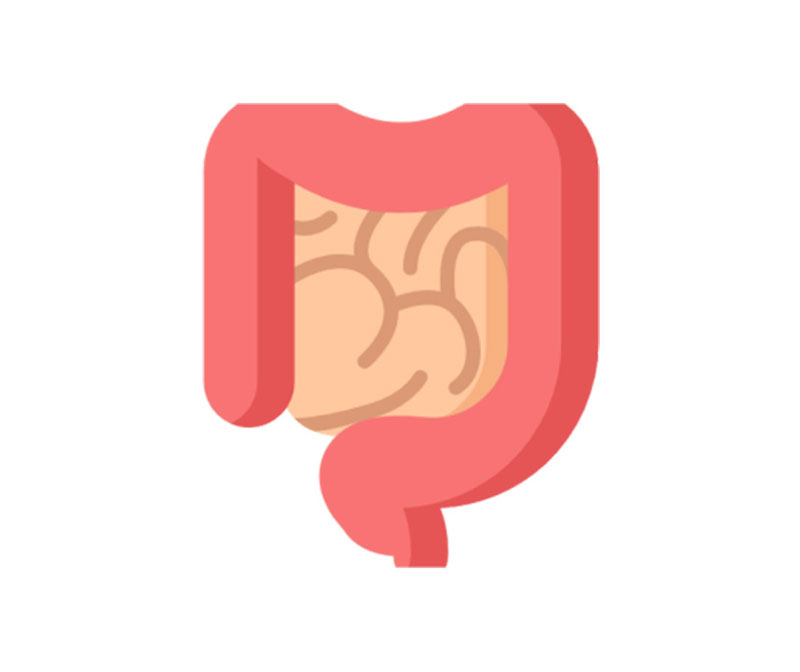
An intestine transplant is a specialised surgical procedure performed to treat intestinal failure and serious complications related to long-term parenteral nutrition (PN). Intestinal failure occurs when the digestive system is unable to absorb adequate nutrients and fluids to sustain life. In such cases, transplantation becomes a critical treatment option.
At our intestine transplant hospital in Dombivli, this complex procedure is undertaken to replace a diseased or non-functioning intestine with a healthy donor intestine. The goal of intestinal transplant treatment in Dombivli is to restore normal digestive function and reduce life-threatening complications associated with prolonged dependence on intravenous nutrition.
Some conditions that require intestinal transplantation are present from birth, while others develop later in life due to disease, injury, or surgical complications. Care is provided by an experienced gastrointestinal surgeon in Dombivli, supported by a multidisciplinary transplant team.
Looking for the Intestine Transplant in Dombivli
Several acute and chronic conditions can severely affect intestinal function and lead to intestinal failure, making an intestinal transplant necessary. These include complications related to parenteral nutrition, underlying intestinal diseases, and structural or functional bowel disorders.
Parenteral Nutrition–Related Complications
Long-term use of parenteral nutrition can lead to serious complications, including:
- Parenteral nutrition–associated liver disease, which is a major cause of irreversible intestinal failure
- Central venous catheter–related thrombosis, which may result in the loss of access to essential veins required for nutrition delivery
Recurrent Central Line Infections
Patients may require an intestinal transplant when they experience:
- Two or more episodes of bloodstream infections each year due to repeated central venous line sepsis
Underlying Intestinal Disorders
Certain medical conditions directly impair intestinal health and function, such as:
- Desmoid tumours associated with familial adenomatous polyposis
- Congenital mucosal disorders affecting nutrient absorption
- Ultra-short bowel syndrome in both infants and adults
Causes of Intestinal Failure
Intestinal failure may also result from:
- Intolerance to long-term parenteral nutrition
- Short Bowel Syndrome caused by the surgical removal of large portions of the intestine
- Severe motility disorders, including chronic intestinal pseudo-obstruction
Non-Metastasising Intra-Abdominal Conditions
Some non-spreading abdominal conditions can irreversibly damage the intestine, including:
- Crohn’s disease
- Intestinal ischemia
- Abdominal trauma
- Volvulus and certain localised tumours
Depending on the severity of the disease and involvement of other digestive organs, different transplant approaches may be recommended by the surgical team performing intestine surgery in Dombivli:
- Isolated intestine transplant, where only the intestine is replaced
- Modified multivisceral transplant, involving the replacement of all affected organs except the liver
- Combined liver, intestine, and pancreas transplant, when liver failure coexists
- Full multivisceral transplant, which includes the intestine, liver, pancreas, stomach, and duodenum
Multivisceral transplants are considered when the underlying disease significantly affects multiple components of the digestive system. At our intestine transplant hospital in Dombivli, each treatment plan is tailored after careful evaluation of the patient’s condition and overall health.

Do You Have Any Query
Please fill out the form & our representative will contact you within 24hrs.
 Find a Doctor
 Health Checkup
 Book an Appointment