


- Specialities

- Bariatric Surgery
- Breast Care Center
- Cardiac Surgery
- Cardiology
- Chest Medicine
- Dental Care
- Dermatology
- ENT
- Endocrinology and Diabetes
- Gastroenterology
- General Surgery and Minimal Access Surgery
- HPB and Surgical Gastroenterology
- Haematology and BMT
- Infectious Diseases
- Internal Medicine
- Interventional Radiology
- Mental Health
- Nephrology
- Neurology
- Neurosurgery
- Nutrition and Dietetics
- Obs and Gynaecology
- Oncology
- Ophthalmology
- Organ Transplant
- Orthopaedics
- Paediatrics
- Pain Clinic
- Plastic and Cosmetic Surgery
- Rehabilitation
- Rheumatology
- Robotic Knee Replacement
- Robotic Surgery
- Spine Surgery
- TAVI / TAVR
- Urology
- Appointment
- About


Community Initiatives
Through Jupiter Foundation, we ensure world class health care for the people that are economically challenged. Jupiter Foundation works on the philosophy of putting the patient first in everything.

Careers
At Jupiter, we believe there is a better path to healing that humanizes the practice of health care and inspires hope in the Patient & family who need it most. Our primary value – The needs of the patient come first – is at centre of our plans and decisions. You'll also find that our pride – in where we work, and in what we do – is a common trait. You will be truly part of an amazing team committed to solving the most serious and complex medical challenges.
Media Centre

News & Events



 View Map
 Book an Appointment
 Find a Doctor
 Health Check-up


Kidney Transplant in Dombivli

Managing Kidney Failure With Structured Transplant Care
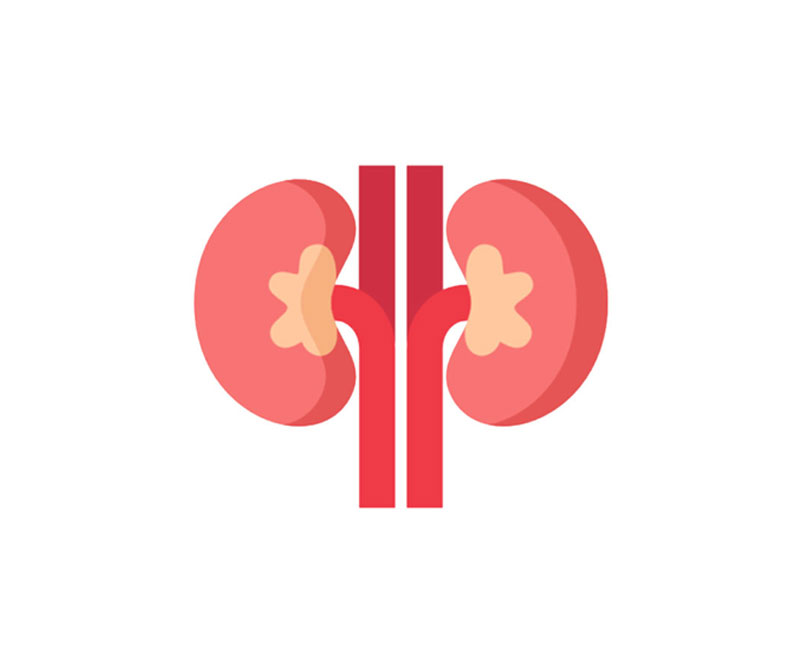
The human body has two kidneys, which are bean-shaped organs located on either side of the spine, just below the rib cage. These organs play an essential role in filtering waste products, excess fluids, and salts from the blood. Kidneys also help regulate blood pressure, support bone strength, and maintain healthy haemoglobin levels.
Kidney failure develops when these functions decline. It can be acute, where the damage is temporary, or chronic, where the damage is permanent. Chronic kidney failure, also known as end-stage kidney disease, occurs when kidney function cannot be restored.
Patients seeking kidney transplant treatment in Dombivli are evaluated carefully when kidney disease reaches the final stage. At this point, a kidney transplant becomes a long-term treatment option. A successful transplant often leads to improved quality of life, longer survival, fewer dietary limitations, reduced long-term expenses, and better ability to resume daily activities when compared to lifelong dialysis. Care is provided at a specialised kidney transplant hospital in Dombivli, supported by experienced transplant teams.
Looking for the Kidney Transplant in Dombivli
Causes of End-Stage Kidney Failure (Permanent and irreversible kidney damage)
Several medical conditions can lead to long-term kidney damage, including:
- Poorly controlled diabetes over many years, which damages kidney filters and remains the leading cause of kidney failure
- Chronic glomerulonephritis, where immune-related inflammation affects kidney filters, leading to protein loss in urine, high blood pressure, and raised creatinine levels
- Long-standing, uncontrolled high blood pressure
- Recurrent kidney infections, known as chronic pyelonephritis
- Long-term blockage to urine flow caused by kidney stones, prostate enlargement, or cervical cancers in women
- Genetic and developmental conditions such as polycystic kidney disease, single kidney, or congenital urinary tract abnormalities
Treatment Options for End-Stage Kidney Disease
Patients diagnosed with advanced kidney disease may require one of the following treatment approaches:

Haemodialysis:
This process uses an artificial kidney machine to remove waste products, excess fluids, salts, potassium, and phosphorus from the blood. Blood is filtered through a dialyser and returned to the body. Haemodialysis can be performed at a dialysis centre or at home under medical guidance.
Peritoneal Dialysis:
In this method, the lining of the abdomen acts as a natural filter. Dialysis fluid is introduced into the abdominal cavity through a catheter and exchanged several times a day. This home-based therapy allows slow filtration and places less strain on the heart and blood pressure.
Kidney Transplant:
A kidney transplant is the preferred long-term solution for eligible patients. During this organ transplant surgery, a healthy kidney from a living donor or a brain-dead donor is placed into the recipient’s body. The transplanted kidney takes over the functions of the failed kidneys and supports normal body balance.
Types of Kidney Transplant

Living Donor Kidney Transplant:
In most cases, the donor is a close family member such as a parent or sibling. If a related donor is not available, an unrelated donor may be considered, provided there is no commercial involvement. Medical and legal approvals are mandatory before donation.
Deceased (Brain-Dead) Donor Kidney Transplant:
When a living donor is not available, patients can register through a hospital with a regional transplant coordination centre. The transplant is performed once a compatible kidney becomes available. Due to limited donations, the waiting period can range from three to five years.
Care While Waiting for a Kidney Transplant
Patients awaiting kidney transplant in Dombivli are advised to follow these medical and lifestyle guidelines:
- Stay free from infections as much as possible
- Continue regular and adequate dialysis sessions
- Avoid excessive weight gain between dialysis cycles
- Do not skip scheduled dialysis appointments
- Consume sufficient protein as advised during dialysis
- Maintain controlled blood pressure levels
- Keep haemoglobin levels between 10–12 g/dL
- Undergo monthly medical check-ups and blood tests
- Follow a regular exercise routine as advised
- Avoid smoking and alcohol consumption
- Take all prescribed medications without interruption
- Undergo regular cardiac evaluations while on dialysis

Do You Have Any Query
Please fill out the form & our representative will contact you within 24hrs.
 Find a Doctor
 Health Checkup
 Book an Appointment