


- Specialities

- Bariatric Surgery
- Breast Care Center
- Cardiac Surgery
- Cardiology
- Chest Medicine
- Dental Care
- Dermatology
- ENT
- Endocrinology and Diabetes
- Gastroenterology
- General Surgery and Minimal Access Surgery
- HPB and Surgical Gastroenterology
- Haematology and BMT
- Infectious Diseases
- Internal Medicine
- Interventional Radiology
- Mental Health
- Nephrology
- Neurology
- Neurosurgery
- Nutrition and Dietetics
- Obs and Gynaecology
- Oncology
- Ophthalmology
- Organ Transplant
- Orthopaedics
- Paediatrics
- Pain Clinic
- Plastic and Cosmetic Surgery
- Rehabilitation
- Rheumatology
- Robotic Knee Replacement
- Robotic Surgery
- Spine Surgery
- TAVI / TAVR
- Urology
- Appointment
- About


Community Initiatives
Through Jupiter Foundation, we ensure world class health care for the people that are economically challenged. Jupiter Foundation works on the philosophy of putting the patient first in everything.

Careers
At Jupiter, we believe there is a better path to healing that humanizes the practice of health care and inspires hope in the Patient & family who need it most. Our primary value – The needs of the patient come first – is at centre of our plans and decisions. You'll also find that our pride – in where we work, and in what we do – is a common trait. You will be truly part of an amazing team committed to solving the most serious and complex medical challenges.
Media Centre

News & Events



 View Map
 Book an Appointment
 Find a Doctor
 Health Check-up


Transplant Procedure in Dombivli

Patients planning kidney transplant treatment in Dombivli undergo a well-defined and medically structured transplant process. Each step is planned to ensure safety, surgical accuracy, and long-term success.
Pre-Surgical Preparation
The transplant process begins with the following steps:
- Admission to the hospital approximately 48 hours before the scheduled transplant
- Detailed assessment by a nephrologist, transplant surgeon, and anaesthesiologist to confirm surgical fitness
- Repeat lymphocyte cross-match testing to confirm the absence of pre-formed antibodies against donor cells
- Final medical clearance based on negative cross-match results and absence of active infection
- Initiation of immunosuppressive medicines to reduce the risk of kidney rejection
- A haemodialysis session 24 hours before surgery to optimise creatinine levels, electrolytes, and fluid balance
- Repeat evaluation of CBC, electrolytes, PT, PTT, and chest X-ray to ensure stable medical parameters
Looking for the Transplant Procedure in Dombivli
Surgical Procedure

Surgical Technique:
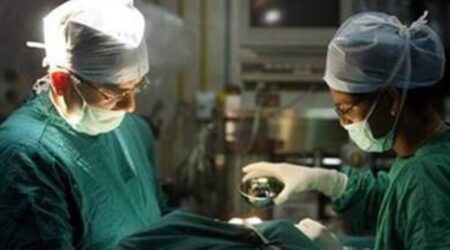
In living donor kidney transplants, the donor kidney is removed using laparoscopic nephrectomy, which is a minimally invasive technique. The left kidney is usually preferred for donation due to favourable anatomical features. Once removed, the kidney is immediately flushed with preservative solution and stored in a cooled environment.
In deceased donor transplants, kidneys are retrieved along with other organs and transported in preservation fluid and ice. Before transplantation, the kidney is carefully examined, clots are removed, and the renal artery and vein are prepared for surgical connection.
Recipient Surgery:
The transplanted kidney is generally placed in the right lower abdomen (right iliac fossa). The donor kidney artery is connected to the recipient’s iliac artery, and the donor vein is attached to the iliac vein. Once blood flow is established, the transplanted kidney begins filtering blood.
The ureter is then connected to the bladder through a small, sutured opening. A temporary ureteric stent is usually placed and removed after approximately four weeks. Both donor and recipient surgeries are performed under general anaesthesia. The recipient’s native kidneys are usually left in place unless removal is required due to infection, stones, or size-related concerns.
After surgery, once breathing is stable, ventilator support is withdrawn. Both donor and recipient are shifted to the ICU, where close monitoring of urine output, fluid balance, blood pressure, and respiration is carried out. The recipient continues immunosuppressive therapy under strict supervision.
Post-Surgical Hospital Stay
- Donors are typically shifted from ICU within two days and discharged within four to five days
- Recipients usually remain in ICU for around four days, followed by six to seven days in the general ward
- Urinary catheter removal occurs between day three and five
- Surgical drain tubes are removed once fluid output stops
- Daily monitoring of blood counts, kidney function, and blood sugar levels is performed
Before discharge, patients receive detailed education on medication schedules, dietary care, activity precautions, and follow-up planning at a kidney transplant hospital in Dombivli.
Complications After Kidney Transplant

Rejection:
Rejection remains a recognised risk following kidney transplant surgery. The immune system may identify the transplanted kidney as foreign and attempt to attack it. To prevent this, immunosuppressive medicines are prescribed.
With current treatment protocols, rejection rates are below 10%, and nearly 90% of rejection episodes are reversible if detected early. Warning signs include reduced urine output, rising creatinine levels, fever, or pain near the transplant site. Diagnosis is confirmed through a biopsy of the transplanted kidney.
Because immunosuppressive medicines lower immune resistance, patients are more prone to infections. Preventive measures include hand hygiene, mask use, and early reporting of symptoms such as fever or breathlessness. Vaccinations are advised at least two weeks before transplant whenever possible.
Early surgical complications such as blood clots in kidney vessels or urine leakage are uncommon and occur in approximately 3 to 5% of cases.
Long-Term Complications
Possible long-term issues include:
- Weight gain, infections, heart attack, or stroke
- Steroid-related side effects such as bone thinning and cataracts
- Chronic rejection leading to gradual transplant failure
- Rare development of cancers due to long-term immunosuppression
Life After Kidney Transplant
A kidney transplant significantly improves quality of life and reduces dependence on dialysis. However, long-term success depends on consistent medical care and lifestyle discipline.

Regular Follow-ups:
Frequent follow-up visits with the nephrology team are essential, especially during the first few months. These visits help monitor kidney function and detect complications early. Care is coordinated through specialised transplant nephrology in Dombivli.

Immunosuppressive Therapy:
Lifelong use of immunosuppressive medicines is required to prevent rejection. Strict adherence to prescribed medication schedules is essential for transplant survival.

Hygiene and Lifestyle Care:
Patients are advised to remain physically active as permitted, maintain personal hygiene, and follow a balanced diet. Smoking and alcohol consumption should be strictly avoided.
Healthy Living After Kidney Transplant

Healthy Diet:
Focus on fresh fruits, vegetables, and whole grains

Smoking Cessation:
Smoking increases cancer and cardiovascular risk

Weight Control:
Regular exercise helps maintain healthy weight

Medical Compliance:
Following medical advice reduces infection risk and supports recovery
Success Rate and Life Expectancy After Kidney Transplant
Advances in surgery and immunosuppressive therapy have led to improved long-term outcomes, especially when managed by best kidney transplant doctors in Dombivli.
Living Donor Kidney Survival
- 1 year: 97%
- 5 years: 88%
- 10 years: 80%
Deceased Donor Kidney Survival
- 1 year: 97%
- 5 years: 80%
- 10 years: 72%
Common Causes of Mortality
- Cardiovascular disease (heart attack or stroke): 42–47%
- Infections: 15–18%
- Cancers: 9–15%
- Unknown causes: 23–31%
Selecting the Right Kidney Transplant Centre
Choosing a kidney transplant centre requires careful evaluation, as this decision directly affects treatment outcomes and long-term health. Patients planning kidney transplant in Dombivli should review the following factors before finalising their choice:
Medical Consultation and Patient Feedback: Consulting more than one specialist helps in understanding different medical opinions. Speaking with patients who have already undergone kidney transplant surgery at the centre can provide practical insight into care quality and recovery support.
Experience With Donor Transplants: The centre should have proven experience in performing both living donor and deceased donor kidney transplants, ensuring readiness for varied clinical situations.
Hospital Reputation and Outcome Data: Reviewing the centre’s reputation and kidney transplant mortality rates offers an understanding of clinical outcomes and overall reliability.
Insurance Coverage and Financial Clarity: Confirm whether the hospital is recognised by your insurance provider. Clear information regarding coverage helps prevent financial uncertainty during kidney transplant treatment in Dombivli.
Overall Transplant Experience: A centre with extensive experience in managing kidney transplant cases is better equipped to handle complex situations. Access to skilled teams and best kidney transplant doctors in Dombivli contributes to safer and more consistent outcomes.
Cost of Kidney Transplantation
Living with advanced kidney disease places emotional and financial strain on both patients and families. Dialysis, while life-sustaining, can involve recurring expenses, with average monthly costs of approximately ₹25,000 for multiple sessions. A kidney transplant, although involving a higher initial expense, can improve quality of life and reduce long-term treatment costs.
Cost Overview
In India, the average cost of kidney transplant surgery typically ranges between ₹7 to 10 lakhs. Patients are advised to discuss insurance coverage in advance to understand whether transplant-related expenses are included in their policy.
- Hospital infrastructure and geographical location
- Organ retrieval and transportation charges
- Duration of hospital stay
- Experience and expertise of the surgical and medical teams
- Use of specialised medical technology
- Management of medical complications, if any
- Post-surgical recovery and rehabilitation care
- Long-term post-transplant medications
For patients travelling from outside the city, accommodation expenses near the kidney transplant hospital in Dombivli must also be considered. These costs can accumulate over several months during recovery and follow-up visits.

Do You Have Any Query
Please fill out the form & our representative will contact you within 24hrs.
 Find a Doctor
 Health Checkup
 Book an Appointment