


- Specialities

- Bariatric Surgery
- Breast Care Center
- Cardiac Surgery
- Cardiology
- Chest Medicine
- Dental Care
- Dermatology
- ENT
- Endocrinology and Diabetes
- Gastroenterology
- General Surgery and Minimal Access Surgery
- HPB and Surgical Gastroenterology
- Haematology and BMT
- Infectious Diseases
- Internal Medicine
- Interventional Radiology
- Mental Health
- Nephrology
- Neurology
- Neurosurgery
- Nutrition and Dietetics
- Obs and Gynaecology
- Oncology
- Ophthalmology
- Organ Transplant
- Orthopaedics
- Paediatrics
- Pain Clinic
- Plastic and Cosmetic Surgery
- Rehabilitation
- Rheumatology
- Robotic Knee Replacement
- Robotic Surgery
- Spine Surgery
- TAVI / TAVR
- Urology
- Appointment
- About


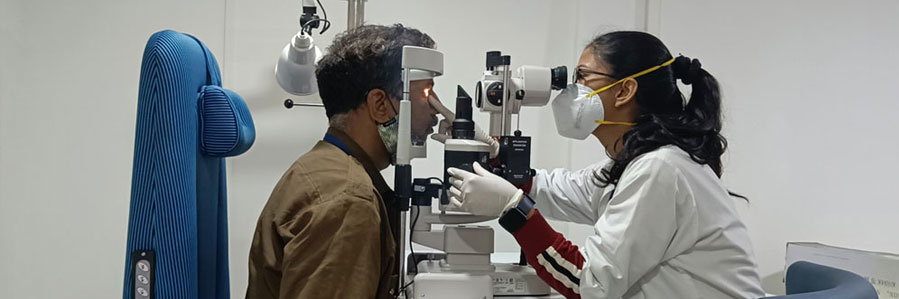
Community Initiatives
Through Jupiter Foundation, we ensure world class health care for the people that are economically challenged. Jupiter Foundation works on the philosophy of putting the patient first in everything.
Careers
At Jupiter, we believe there is a better path to healing that humanizes the practice of health care and inspires hope in the Patient & family who need it most. Our primary value – The needs of the patient come first – is at centre of our plans and decisions. You'll also find that our pride – in where we work, and in what we do – is a common trait. You will be truly part of an amazing team committed to solving the most serious and complex medical challenges.
Media Centre

News & Events



 View Map
 Book an Appointment
 Find a Doctor
 Health Check-up


Rheumatology in Dombivli

A Coordinated and Evidence-Based Approach to Managing Rheumatic Conditions
The Rheumatology Department at Jupiter Hospital provides structured and comprehensive care for patients affected by a wide range of rheumatological disorders. Rheumatology is a subspecialty of internal medicine that focuses on the diagnosis, evaluation, and long-term management of conditions affecting joints, soft tissues, muscles, bones, and autoimmune systems in both adults and children.
Our department delivers rheumatology treatment in Dombivli through a combination of outpatient and inpatient services. Care plans are developed after careful clinical evaluation and are tailored to the individual needs of each patient. The focus remains on symptom control, disease modification, and preservation of joint function over time.
As a trusted rheumatology hospital in Dombivli, we follow a patient-centred approach supported by clinical expertise, structured diagnostics, and evidence-based therapies. Patients rely on our team for consistent monitoring, timely intervention, and continuity of care across all stages of disease progression.
Team
Looking for the Rheumatology in Dombivli
Physical Examination
A detailed physical examination is the first step in planning an effective treatment strategy. This includes an assessment of overall physical health, pulse evaluation, and careful examination of the heart and lungs. The clinician also checks for swollen lymph nodes and signs of systemic inflammation.
Special attention is given to affected joints and limbs to assess swelling, warmth, tenderness, range of motion, stiffness, and functional limitation. These findings help determine disease activity and guide further investigations.
Medical History Review
A thorough review of the patient’s medical history plays a key role in rheumatological care. This assessment helps identify symptom patterns, disease duration, previous treatments, and family history of autoimmune or inflammatory conditions.
Understanding past illnesses and genetic risk factors allows clinicians to develop informed treatment plans that address both present symptoms and potential long-term complications.
Diagnostic Investigations
Diagnostic tests are essential for identifying the underlying cause of symptoms and determining disease severity. These investigations support accurate diagnosis and treatment planning.
Blood Tests
- Complete Blood Count (CBC)
- Erythrocyte Sedimentation Rate (ESR)
- C-Reactive Protein (CRP)
- Liver and renal function tests
- Urine examination
Specialised Immunological Tests
- Rheumatoid factor
- Anti-CCP antibody
- ANA (Anti-Nuclear Antibody)
- ANCA
- ANA profile
- Complement levels (C3, C4)
Imaging Tests
- X-ray imaging
- Ultrasound
- MRI scans
- CT scans
These diagnostic tools help evaluate inflammation, joint damage, organ involvement, and disease progression.
Our rheumatology team provides non-surgical, surgical, and supportive therapies for a wide spectrum of rheumatic conditions.
Osteoarthritis
Diagnosis
- Imaging studies such as X-rays and MRI
- Blood tests
- Joint fluid analysis
Treatment
- Non-surgical: Oral or topical pain relief, NSAIDs, acetaminophen, duloxetine
- Interventional: Cortisone injections, lubrication injections
- Surgical: Joint realignment or joint replacement when required
Rheumatoid Arthritis (RA)
Diagnosis
- Blood tests including ESR, CRP, and anti-CCP antibodies
- Imaging studies
Treatment
- Medications: NSAIDs, corticosteroids, DMARDs, biologics
- Surgical options: Synovectomy, tendon repair, joint fusion, joint replacement
- Supportive care: Occupational therapy and assistive devices
Systemic Lupus Erythematosus (SLE)
Diagnosis
- Blood tests and urinalysis
- Immunological markers
- Imaging and biopsy when required
Treatment
- NSAIDs, antimalarials, corticosteroids, immunosuppressants, biologics
- Lifestyle guidance and regular monitoring
Takayasu Arteritis
Diagnosis
- Blood tests (ESR, CRP)
- Imaging such as CT, MRI, angiography, PET scan
Treatment
- Corticosteroids
- DMARDs
- Biologic therapies
Spondyloarthropathies
Diagnosis
- Clinical examination
- Imaging studies
- HLA-B27 blood testing
Treatment
- NSAIDs
- Corticosteroid injections
- DMARDs
- TNF and IL-17 inhibitors
Sjogren’s Syndrome
Diagnosis
- Blood tests
- Eye tests
- Salivary gland studies
Treatment
- Artificial saliva and tears
- NSAIDs and DMARDs
- Surgical procedures such as punctal occlusion when needed
Gout
Diagnosis
- Joint fluid analysis
- Blood tests
- Imaging including ultrasound and dual-energy CT
Treatment
- NSAIDs, colchicine, corticosteroids
- Uric acid–lowering medications
- Dietary and lifestyle modification
Scleroderma
Diagnosis
- Clinical assessment
- Blood tests and imaging
Treatment
- Medications to suppress immune activity and improve blood flow
- Physical and occupational therapy
- Surgical intervention in advanced cases
Osteoporosis
Diagnosis
- Blood tests for calcium, vitamin D, thyroid function
- Bone density testing (DEXA scan)
Treatment
- Calcium and vitamin D supplementation
- Bisphosphonates, denosumab, teriparatide
- Physical therapy
Infectious (Septic) Arthritis
Diagnosis
- Joint fluid analysis
- Blood tests
- Imaging including X-rays, MRIs, and CT scans
Treatment
- Intravenous and oral antibiotics
- Joint drainage via needle, arthroscopy, or open surgery
Juvenile Idiopathic Arthritis
Diagnosis
- Blood tests and imaging studies
Treatment
- NSAIDs, DMARDs, biologics, corticosteroids
- Surgical correction in selected cases
- Physical and occupational therapy
Polymyalgia Rheumatica
Diagnosis
- Blood tests
- Imaging when required
Treatment
- Corticosteroids
- Methotrexate
- Calcium and vitamin D supplementation
- Physical therapy
Giant Cell Arteritis typically affects individuals above 65 years of age and can lead to headaches and sudden vision loss if untreated. It may occur alongside polymyalgia rheumatica.
Diagnosis and treatment follow protocols similar to polymyalgia rheumatica, with close monitoring.
Post-Viral and Post-Chikungunya Arthritis
This condition may develop after viral infections such as dengue or chikungunya and can affect individuals of any age.
Diagnosis
- Blood tests including CBC, ESR, and CRP
Treatment
- NSAIDs
- Corticosteroids
- DMARDs such as methotrexate
- Physical therapy
Gallery
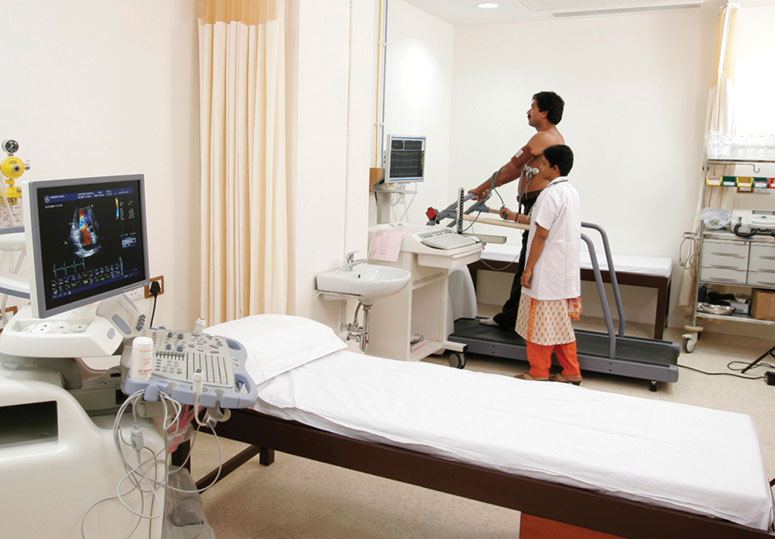
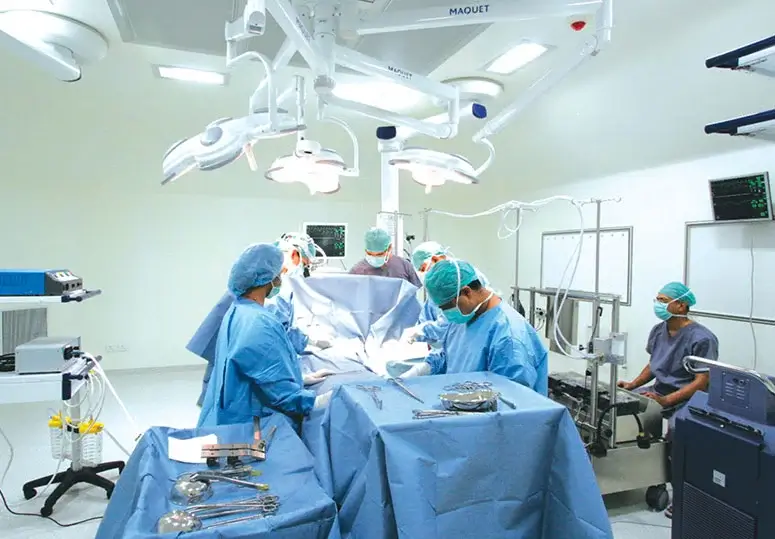
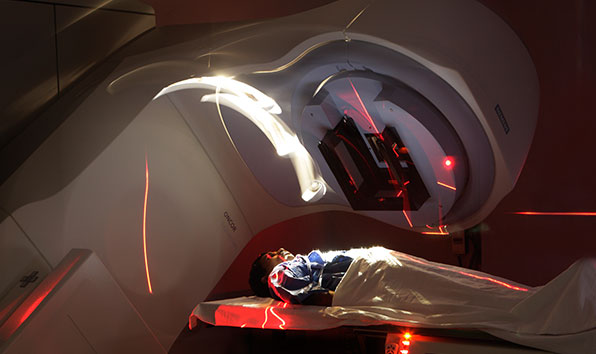
An overview of Jupiter Hospital’s infrastructure


 Find a Doctor
 Health Checkup
 Book an Appointment