


- Specialities

- Bariatric Surgery
- Breast Care Center
- Cardiac Surgery
- Cardiology
- Chest Medicine
- Dental Care
- Dermatology
- ENT
- Endocrinology and Diabetes
- Gastroenterology
- General Surgery and Minimal Access Surgery
- HPB and Surgical Gastroenterology
- Haematology and BMT
- Infectious Diseases
- Internal Medicine
- Interventional Radiology
- Mental Health
- Nephrology
- Neurology
- Neurosurgery
- Nutrition and Dietetics
- Obs and Gynaecology
- Oncology
- Ophthalmology
- Organ Transplant
- Orthopaedics
- Paediatrics
- Pain Clinic
- Plastic and Cosmetic Surgery
- Rehabilitation
- Rheumatology
- Robotic Knee Replacement
- Robotic Surgery
- Spine Surgery
- TAVI / TAVR
- Urology
- Appointment
- About


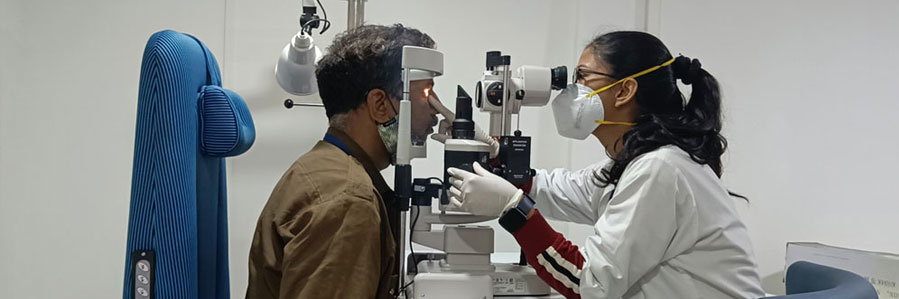
Community Initiatives
Through Jupiter Foundation, we ensure world class health care for the people that are economically challenged. Jupiter Foundation works on the philosophy of putting the patient first in everything.

Careers
At Jupiter, we believe there is a better path to healing that humanizes the practice of health care and inspires hope in the Patient & family who need it most. Our primary value – The needs of the patient come first – is at centre of our plans and decisions. You'll also find that our pride – in where we work, and in what we do – is a common trait. You will be truly part of an amazing team committed to solving the most serious and complex medical challenges.
Media Centre

News & Events



 View Map
 Book an Appointment
 Find a Doctor
 Health Check-up


Robotic Knee Replacement in Dombivli

Relieving Knee Pain and Restoring Mobility Through Advanced Robotic Precision
The Robotic Knee Replacement Centre at Jupiter Hospital offers advanced and structured care for patients suffering from chronic knee pain and mobility limitations. Our centre provides robotic knee replacement treatment in Dombivli using the second-generation CORI robotic system, which combines real-time mapping with surgeon-controlled precision.
This technology enables accurate joint reconstruction by creating a virtual model of the patient’s knee anatomy during surgery. The robotic arm assists the surgeon through a specialised console, allowing controlled bone preparation and precise implant placement. This approach supports faster rehabilitation, improved knee movement, and a smoother return to daily activities.
Robotic-assisted knee replacement offers multiple advantages, including detailed surgical planning, reduced tissue disturbance, improved ligament preservation, accurate implant positioning, and better soft-tissue balance. These benefits are further strengthened by the experience and expertise of our orthopaedic surgeons.
Clinical Evaluation Before Knee Replacement
Patients commonly seek consultation for symptoms such as knee pain while walking, stiffness in the knee, swelling, reduced range of motion, or difficulty climbing stairs. During the initial orthopaedic consultation, a detailed clinical examination is performed to assess arthritis severity, knee alignment, and joint stability.
Conservative management options may be advised in early stages. These include anti-inflammatory medications, weight control, physiotherapy, knee braces, and cortisone injections. If symptoms persist despite these measures, joint replacement surgery may be recommended.
Diagnostic investigations such as knee X-rays, MRI for knee pain, or CT scans for knee replacement planning help confirm the diagnosis and guide surgical decision-making.
Surgical Process and Hospital Stay
Robotic knee replacement surgery is performed by trained joint replacement surgeons following detailed preoperative assessment and laboratory investigations. The procedure is planned using robotic mapping, allowing precise execution during surgery.
Most patients remain admitted for approximately three to four days, depending on recovery progress and medical advice.
Post-Surgery Rehabilitation and Recovery
Rehabilitation begins on the same day or the following day after surgery. Patients are encouraged to stand and take assisted steps early to restore confidence and movement.
Physiotherapists prescribe structured exercises to improve knee flexibility, strength, and walking pattern. Continued exercises after discharge are essential to achieve optimal recovery. Regular follow-up visits help monitor progress and ensure long-term success.
Patients seeking robotic knee replacement treatment in Dombivli benefit from a well-planned recovery pathway that supports both safety and mobility restoration.
Team

Dr. Rohit Dharmadhikari
Speciality: ORTHOPAEDICS
Designation: Consultant - Orthopaedic Surgeon

Dombivli

Looking for the Robotic Knee Replacement in Dombivli
Arthritis is a condition marked by joint pain, swelling, stiffness, and reduced movement. These symptoms often worsen with age. The most common forms affecting the knee are osteoarthritis of the knee and rheumatoid arthritis knee involvement.
Treatment focuses on reducing pain, limiting joint damage, and preserving function. Depending on disease severity, management may range from medications and lifestyle changes to total or partial knee replacement surgery.
Total or unicondylar knee replacement is a surgical procedure in which damaged joint surfaces are replaced with prosthetic components. It is recommended for patients with severe knee joint degeneration, deformity, and persistent pain that limits daily activities.
Key factors influencing success include accurate leg alignment, correct implant positioning, and proper soft-tissue balance. Modern implants have an expected lifespan of up to 30 years when placed accurately.
For advanced arthritis care and robotic-assisted procedures, Jupiter Hospital remains a recognised robotic knee replacement hospital in Dombivli.
Successful knee replacement depends on precise alignment, implant fit, and ligament balance. Robotic technology collects real-time data on joint shape, cartilage condition, and ligament tension.
A three-dimensional model of the knee is created during surgery without the routine need for pre-operative CT scans. The robotic arm guides bone preparation and stops automatically if deviation from the planned path occurs. This improves accuracy while protecting surrounding tissues.
- Reduced Pain
Robotic-assisted surgery involves smaller incisions and highly precise bone preparation, which minimises tissue trauma. This results in lower inflammation levels and reduced dependence on pain medication after surgery. - Preservation of Native Bone
Robotic milling enables accurate removal of only the damaged bone while preserving healthy bone structure, thereby reducing intraoperative blood loss and supporting long-term joint integrity. - Faster Recovery
Enhanced surgical accuracy limits disruption to surrounding tissues, promoting quicker healing and allowing patients to regain mobility sooner after surgery. - More Natural Knee Movement
Implants are selected and positioned based on the patient’s individual knee anatomy, resulting in improved joint balance and a more natural feel during movement. - Minimal Radiation Exposure
Image-free smart mapping technology reduces the routine need for repeated CT scans or X-rays, helping limit unnecessary radiation exposure. - Improved Outcomes in Unicondylar Knee Replacement
Robotic guidance enhances the accuracy and predictability of partial knee replacement procedures, leading to improved implant performance and better long-term outcomes.
Jupiter Hospital utilises the CORI robotic knee replacement system, a second-generation handheld robotic platform developed to enhance precision and surgical efficiency in knee replacement procedures.
Key technology features include:
- The robotic system uses image-free smart mapping technology, eliminating the routine need for CT or MRI scans before surgery.
- Real-time three-dimensional planning and gap assessment allow surgeons to evaluate knee alignment and balance accurately during the procedure.
- The compact and portable robotic system is designed with a minimal operating room footprint, enabling efficient use of surgical space.
- Patient-specific alignment and ligament balancing are achieved by analysing individual knee anatomy and soft tissue behaviour.
- Robotic-assisted bone preparation is performed under the direct control of the surgeon, ensuring precision and safety throughout the procedure.
- The ergonomically redesigned robotic handpiece improves surgeon comfort and allows better control during surgery.
- A high-speed tracking system provides real-time feedback, enhancing accuracy at every stage of the operation.
- Customisable planning options support both total knee replacement and unicondylar knee replacement procedures, allowing tailored surgical outcomes for each patient.
This advanced robotic system enables surgeons to personalise each procedure according to the patient’s anatomy, ensuring consistent accuracy, stability, and reliable surgical outcomes.
Gallery
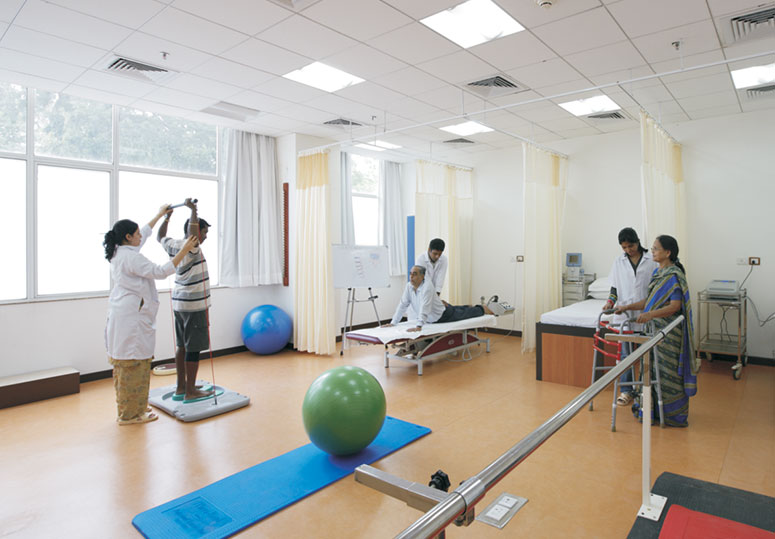
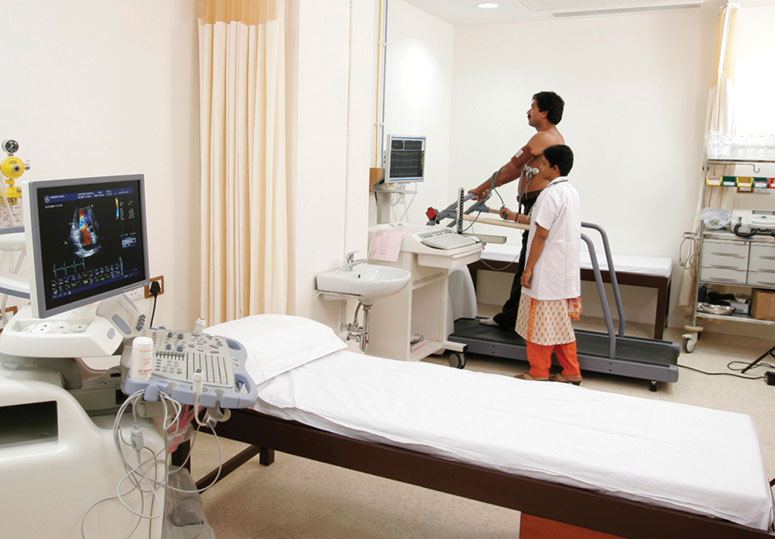
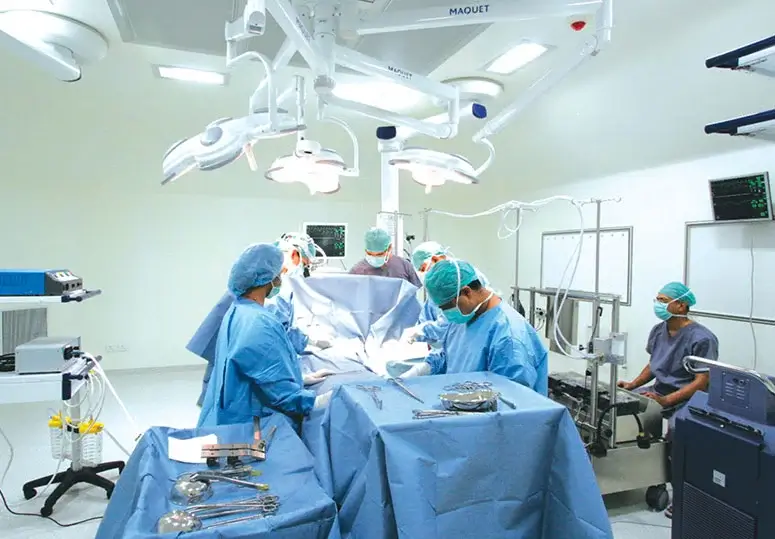
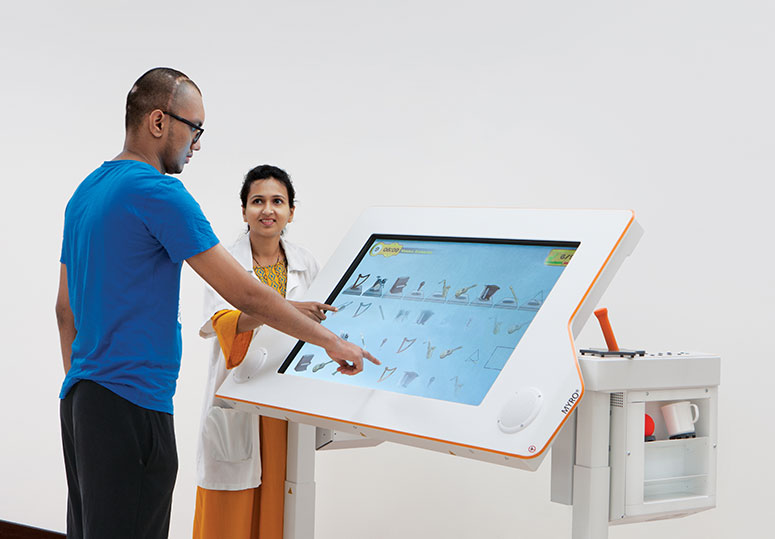
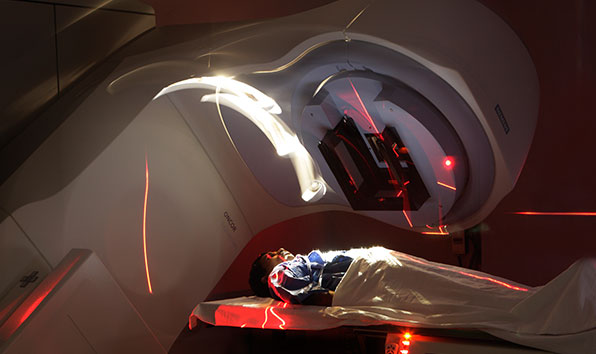
An overview of Jupiter Hospital’s infrastructure

Patients Speak
Hear the heartwarming stories of patients overcoming difficult afflictions


 Find a Doctor
 Health Checkup
 Book an Appointment