


- Specialities

- Bariatric Surgery
- Breast Care Center
- Cardiac Surgery
- Cardiology
- Chest Medicine
- Dental Care
- Dermatology
- ENT
- Endocrinology and Diabetes
- Gastroenterology
- General Surgery and Minimal Access Surgery
- HPB and Surgical Gastroenterology
- Haematology and BMT
- Infectious Diseases
- Internal Medicine
- Interventional Radiology
- Mental Health
- Nephrology
- Neurology
- Neurosurgery
- Nutrition and Dietetics
- Obs and Gynaecology
- Oncology
- Ophthalmology
- Organ Transplant
- Orthopaedics
- Paediatrics
- Pain Clinic
- Plastic and Cosmetic Surgery
- Rehabilitation
- Rheumatology
- Robotic Knee Replacement
- Robotic Surgery
- Spine Surgery
- TAVI / TAVR
- Urology
- Appointment
- About


Community Initiatives
Through Jupiter Foundation, we ensure world class health care for the people that are economically challenged. Jupiter Foundation works on the philosophy of putting the patient first in everything.
Careers
At Jupiter, we believe there is a better path to healing that humanizes the practice of health care and inspires hope in the Patient & family who need it most. Our primary value – The needs of the patient come first – is at centre of our plans and decisions. You'll also find that our pride – in where we work, and in what we do – is a common trait. You will be truly part of an amazing team committed to solving the most serious and complex medical challenges.
Media Centre

News & Events



 View Map
 Book an Appointment
 Find a Doctor
 Health Check-up


TAVI / TAVR in Dombivli

Specialised TAVI and TAVR Care for Aortic Valve Disease in Dombivli
Jupiter Hospital has established a dedicated facility for TAVI (transcatheter aortic valve implantation) and Transcatheter Aortic Valve Replacement in Dombivli. This TAVI Cardiac Procedure offers a minimally invasive approach for replacing a diseased aortic valve without the need for open-heart surgery. The procedure is suited for patients who require aortic valve replacement while benefiting from a less invasive treatment option, including those seeking TAVI/TAVR in Dombivli.
Care delivery follows a structured heart team approach, where treatment decisions are guided by detailed clinical evaluation and procedural planning. All essential services required for aortic valve replacement are available within the hospital, enabling coordinated care from diagnosis through recovery for patients considering TAVI treatment in Dombivli.
Integrated Infrastructure and Multidisciplinary Heart Team
The TAVI and TAVR programme at Jupiter Hospital is supported by comprehensive infrastructure designed to ensure procedural safety and clinical precision as part of an advanced heart care procedure in Dombivli. The hospital is equipped with advanced CT imaging systems, cardiac MRI facilities, a fully functional cardiac catheterisation laboratory, high-resolution echocardiography systems with transesophageal imaging, and a dedicated cardiac operating theatre. This integrated setup places the hospital among the best cardiac hospitals for TAVI treatment.
The specialist heart team comprises radiologists, cardiologists, structural intervention specialists, cardiothoracic and vascular surgeons, electrophysiologists, intensivists, neurologists, and interventional neuroradiologists. This multidisciplinary collaboration, led by a TAVI expert in India, ensures that every stage of care is carefully planned, monitored, and supported by the best TAVR surgeons and experienced TAVR specialists in Dombivli.
Team
Looking for the TAVI / TAVR in Dombivli
The heart pumps oxygen-rich blood into the aorta, which is the largest artery in the body and supplies blood to vital organs. The aortic valve is positioned between the heart and the aorta and functions as a one-way gateway. When the valve opens, blood flows from the heart into the aorta. Once the heart relaxes, the valve closes to prevent blood from flowing backward. This process occurs with every heartbeat and plays a critical role in maintaining efficient circulation.
Understanding Aortic Stenosis
In certain individuals, the aortic valve can become thickened and stiff over time due to aortic valve calcification. This may occur because of age-related changes, genetic factors, exposure to radiation, or the presence of other medical conditions. As the valve progressively degenerates, the opening becomes increasingly narrow, restricting blood flow between the heart and the aorta. This condition is known as severe aortic stenosis.
Effects of Aortic Stenosis on Heart Function
When blood flow through the aortic valve is obstructed, the heart must generate higher pressure with each beat to maintain circulation. This added strain can lead to aortic stenosis symptoms such as shortness of breath, fatigue, dizziness, fainting episodes, and chest pain. In advanced stages, patients may also develop leg swelling TAVR–related symptoms due to progressive cardiac strain. Without appropriate treatment, aortic stenosis may result in repeated episodes of heart failure and, in severe cases, sudden cardiac death.
Historically, the standard treatment for Severe Aortic Stenosis involved surgical valve replacement through open-heart surgery under general anaesthesia. This approach required opening the chest to remove the diseased valve and replace it with an artificial valve.
Advancements in medical technology have introduced transcatheter techniques such as TAVI for aortic stenosis, allowing valve replacement without the need for open-heart surgery. This TAVI heart valve replacement technique was initially recommended for patients at high surgical risk due to age or associated medical conditions and is now also approved for patients with lower surgical risk profiles.
The TAVI and TAVR Procedure Explained
The TAVI procedure in Dombivli is typically performed using local anaesthesia or mild sedation, depending on clinical assessment. Access to the heart is achieved through a small puncture in the leg. A catheter is then guided to the aortic valve, allowing the new valve to be positioned and deployed using a balloon or spring-based mechanism.
Once deployed, the replacement valve begins functioning immediately, restoring normal blood flow through the heart. After successful placement, the delivery system is withdrawn through the same access point, which is then closed using dissolvable sutures.
Post-Procedure Recovery and Care
Following the procedure, patients are transferred to the intensive care unit for close monitoring of vital signs and overall recovery. Early mobilisation is encouraged, with most patients able to begin walking on the same day or the following day after the procedure. Discharge from the hospital typically occurs within four to five days, depending on individual recovery progress.
Ongoing Follow-Up and Clinical Monitoring
The first follow-up visit is generally scheduled one week after the procedure to assess the function of the newly implanted valve and overall recovery. Additional follow-up appointments are planned based on the patient’s clinical condition and progress, ensuring continued monitoring and long-term management.
Jupiter Hospital uses aortic valves that meet stringent regulatory approvals, reflecting its commitment to quality standards and patient safety. To improve access to care, Jupiter Hospital, in collaboration with the Jupiter Foundation, conducts dedicated programmes that offer the complete procedure at a subsidised rate. These initiatives help eligible patients manage their concerns regarding the TAVI procedure cost while receiving comprehensive care.
For patients seeking guidance on TAVI procedure cost or planning their TAVI treatment in Dombivli, Jupiter Hospital provides structured support for evaluation, eligibility assessment, and procedural planning through its dedicated care teams.
Gallery
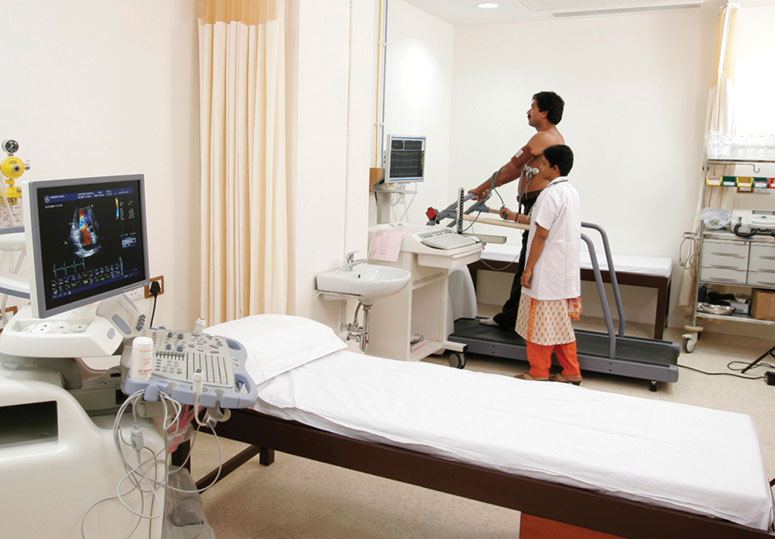
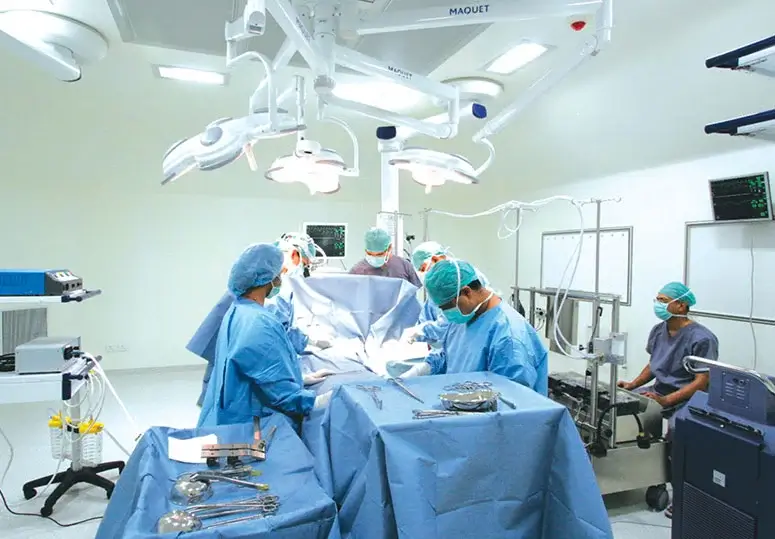
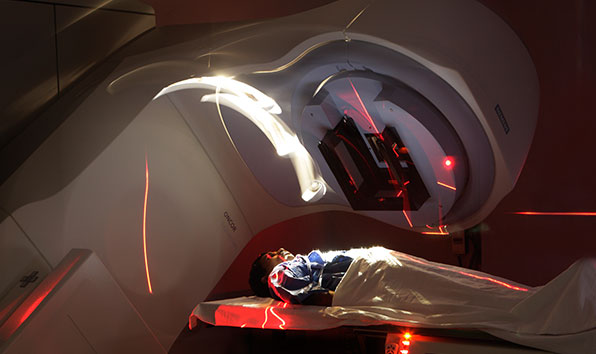
An overview of Jupiter Hospital’s infrastructure


 Find a Doctor
 Health Checkup
 Book an Appointment