


- Specialities

- Bariatric Surgery
- Breast Care Center
- Cardiac Surgery
- Cardiology
- Chest Medicine
- Dental Care
- Dermatology
- ENT
- Endocrinology and Diabetes
- Gastroenterology
- General Surgery and Minimal Access Surgery
- HPB and Surgical Gastroenterology
- Haematology and BMT
- Infectious Diseases
- Internal Medicine
- Interventional Radiology
- Mental Health
- Nephrology
- Neurology
- Neurosurgery
- Nutrition and Dietetics
- Obs and Gynaecology
- Oncology
- Ophthalmology
- Organ Transplant
- Orthopaedics
- Paediatrics
- Pain Clinic
- Plastic and Cosmetic Surgery
- Rehabilitation
- Rheumatology
- Robotic Knee Replacement
- Robotic Surgery
- Spine Surgery
- TAVI / TAVR
- Urology
- Appointment
- About


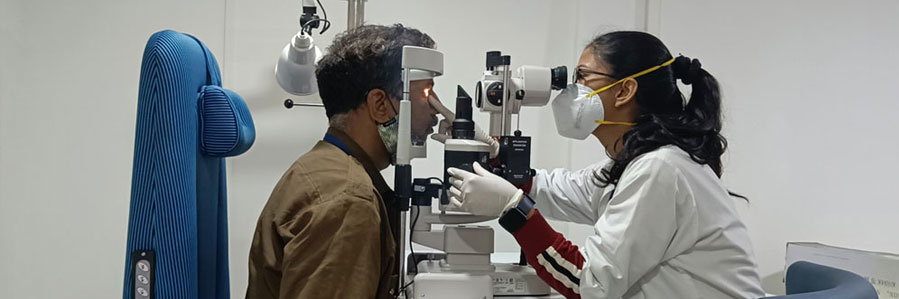
Community Initiatives
Through Jupiter Foundation, we ensure world class health care for the people that are economically challenged. Jupiter Foundation works on the philosophy of putting the patient first in everything.
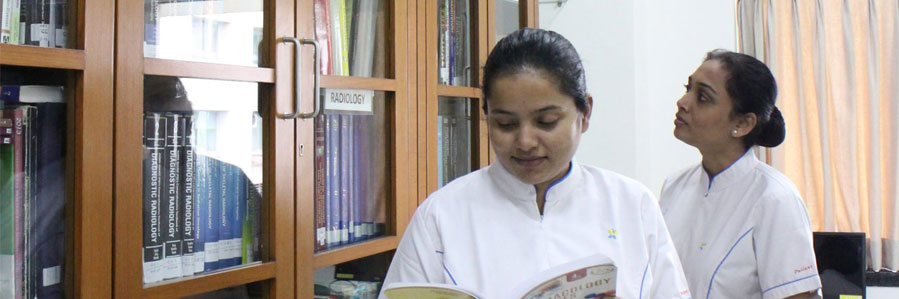
Careers
At Jupiter, we believe there is a better path to healing that humanizes the practice of health care and inspires hope in the Patient & family who need it most. Our primary value – The needs of the patient come first – is at centre of our plans and decisions. You'll also find that our pride – in where we work, and in what we do – is a common trait. You will be truly part of an amazing team committed to solving the most serious and complex medical challenges.
Media Centre

News & Events



 View Map
 Book an Appointment
 Find a Doctor
 Health Check-up


Cardiology in Dombivli

Comprehensive Diagnosis and Treatment for Heart and Rhythm Conditions
Welcome to the Cardiology department at Jupiter Hospital, a cardiology hospital in Dombivli offering structured consultation for patients with a wide range of heart conditions. The department delivers accurate cardiology diagnosis through a coordinated clinical framework designed to support consistent and organised cardiac care.
A dedicated team of cardiologists and clinical specialists provides comprehensive diagnostic and treatment services under one roof, enabling timely evaluation and effective management of cardiac conditions. Patients coming in for a cardiology check up often report symptoms such as chest pain, shortness of breath, or irregular heartbeat, each of which is carefully assessed to determine the underlying cause and appropriate management pathway.
Non-Interventional Cardiology Services
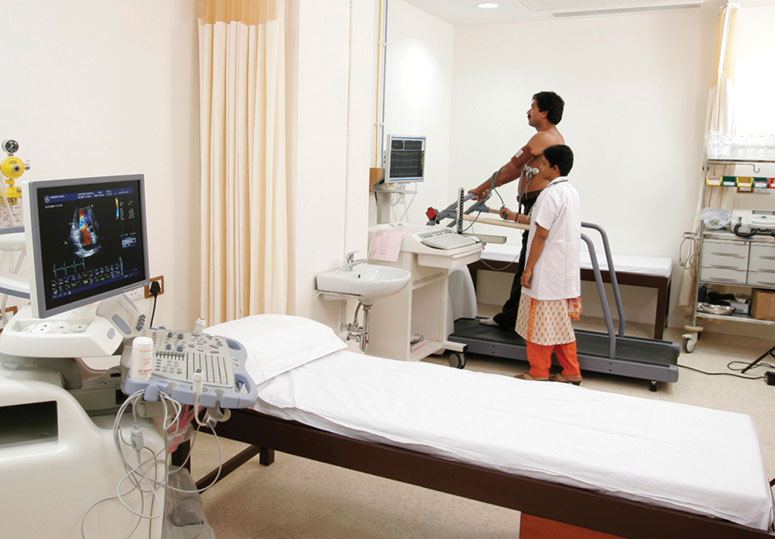
The Non-Interventional Cardiology Services unit focuses on detailed evaluation of heart structure and function through structured diagnostic testing. Routine assessments include ECG test (Electrocardiogram) or EKG test, echocardiogram, and heart ultrasound (2d echo), which help assess cardiac rhythm and functional capacity.
Functional evaluation is further supported through stress test heart protocols using a Treadmill Test, while rhythm abnormalities are assessed through Holter monitor test. For selected cases, laboratory investigations such as cardiac biomarkers may be used to support clinical evaluation.
When deeper assessment is required, advanced non-invasive investigations are conducted, including specialized echocardiographic studies that help evaluate myocardial function and guide further management planning.
Interventional Cardiology Care
Interventional Cardiology Care follows a systematic clinical protocol for managing patients with ischemic heart disease and acute coronary conditions. Treatment pathways include procedures such as angioplasty procedure, stent placement, and diagnostic cardiac catheterization, planned based on clinical findings and disease severity.
Patients presenting with myocardial infarction (heart attack) may require urgent interventional management. Following angioplasty, additional assessment tools may be used to evaluate procedural outcomes and coronary anatomy.
In selected cases, referral for bypass surgery is advised, supported by a dedicated team of cardiac surgeons, cardiac anaesthetists, and fully equipped operation theatres available round the clock. Valve replacement procedures are also undertaken when clinically indicated.
Team

Dr. Bhavik Yogesh Shah
Speciality: Critical Care Medicine
Designation: Consultant – Critical Care Medicine

Dombivli


Dr. Deepa Reddy
Speciality: Internal Medicine
Designation: Consultant-Physician
Dombivli
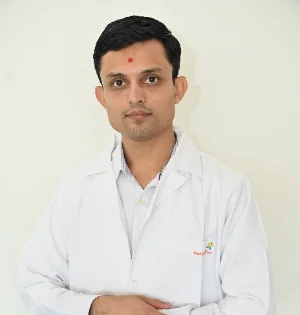
Dr. Keyur Rathod
Speciality: Cardiology
Designation: Consultant - Cardiologist
Dombivli

Dr. Nirmaldutt G.Thakur
Speciality: Internal Medicine
Designation: Consultant - General Physician
Dombivli

Dr. Tamagna Ghosh
Speciality: Cardiology
Designation: Consultant - Interventional Cardiologist
Dombivli
Looking for the Cardiology in Dombivli
Cardiac care is delivered through a coordinated Heart Team model that brings together cardiologists, cardiac surgeons, cardiac anaesthesiologists, intensivists, and critical care specialists. This collaborative approach supports comprehensive and timely decision-making for patients with complex cardiac conditions.
The team manages a broad spectrum of advanced interventions, including primary angioplasty for acute coronary events, coronary bypass surgery, total arterial grafting, complex congenital cardiac procedures, and surgical management of aneurysmal conditions. Patients presenting with acute symptoms such as pain in left arm or chest pain or discomfort with excessive sweating benefit from structured evaluation and coordinated care.
Those seeking a detailed cardiology opinion in Dombivli receive multidisciplinary assessment aligned with their clinical needs.
Dedicated Care for Congenital Heart Conditions
In addition to adult cardiology services, the department provides focused evaluation and treatment for congenital heart disease across different age groups. A specialised clinical team manages interventional procedures such as atrial septal defect device closure, ventricular septal defect device closure, and patent ductus arteriosus closure, based on individual patient assessment.
Surgical management of congenital heart conditions is supported by experienced paediatric heart surgeons with established expertise in treating complex congenital abnormalities, ensuring structured care across diagnostic, interventional, and surgical pathways.
Spectrum of Cardiology Procedures
The cardiology department offers a broad spectrum of procedures designed to address diverse cardiac conditions. These include coronary angioplasty, interventions for congenital cardiac anomalies, and electrophysiology studies for the evaluation and management of rhythm disorders.
Procedural care also extends to conditions such as valvular heart disease, inflammatory disorders like pericarditis, and infections including endocarditis. The objective is to provide comprehensive procedural solutions across diagnostic, interventional, and rhythm management domains through a structured and coordinated care approach.
The department is supported by dedicated facilities designed to manage a broad spectrum of cardiology diseases through integrated diagnostic, interventional, and treatment services delivered within a coordinated clinical environment.
- Cardiac Catheterisation Laboratory: The cardiac catheterisation laboratory is equipped with advanced systems that support a wide range of diagnostic and interventional cardiac procedures, enabling accurate assessment and procedural planning.
- Comprehensive Non-Invasive Cardiology Unit: This unit focuses on structured non-invasive evaluation to support accurate diagnosis, functional assessment, and ongoing monitoring of cardiac conditions.
- Electrophysiology and Arrhythmia Clinic: Specialised services are available for the assessment and management of heart rhythm disorders through dedicated electrophysiology care pathways.
- Heart Failure Clinic: The Heart Failure Clinic provides focused care, long-term monitoring, and clinical support for patients living with chronic heart failure.
Interventional Cardiology Services
Interventional cardiology services include complex angioplasty procedures such as primary angioplasty in acute myocardial infarction. Device-based therapies are also provided, including pacemaker implantation and defibrillator implant (ICD), along with interventions for congenital anomalies and selected peripheral vascular procedures such as aneurysm coiling and embolisation. These services are delivered by experienced specialists, including the best interventional cardiologist in Dombivli, based on clinical indication.
Non-Invasive Cardiology Services
Non-invasive cardiology care includes detailed cardiac imaging and functional assessment using echocardiography. Stress testing protocols include treadmill testing, contrast stress echocardiography, and dobutamine stress echocardiography to evaluate myocardial performance under stress.
Continuous rhythm and pressure monitoring is supported through Holter and ambulatory blood pressure monitoring. Advanced imaging techniques such as transesophageal echocardiography and bubble echo studies are also conducted. These evaluations support care planning for procedures including coronary bypass surgery, valve replacement, aortic surgery, and aneurysm surgery.
Cardiothoracic and Vascular Surgery Support
A specialised surgical team provides cardiothoracic and vascular surgical services to support comprehensive cardiac care when operative intervention is required as part of the treatment plan.
Arrhythmia and Electrophysiology Services
Dedicated arrhythmia services address the diagnosis and management of rhythm disorders such as atrial fibrillation (AFib) and other forms of arrhythmia. Care is delivered by experienced cardiac electrophysiologists, supporting structured rhythm evaluation and long-term management for patients reporting symptoms such as palpitations or heart fluttering.
Heart Failure Management Services
Heart failure services focus on structured evaluation, ongoing monitoring, and multidisciplinary management for patients with congestive heart failure (CHF) caused by conditions such as cardiomyopathy or hypertensive heart disease. Care aims to improve functional capacity and address limitations related to heart failure, including fatigue heart disease.
Emergency Cardiac Care Available 24/7
In cardiac emergencies, the department delivers round-the-clock multidisciplinary care supported by coordinated clinical protocols. Patients presenting with acute symptoms such as dizziness are promptly assessed and managed in an Intensive Cardiac Care Unit equipped with advanced monitoring systems and trained clinical staff. This setup enables immediate evaluation and timely life-saving intervention when required.
The heart centre at Jupiter Hospital provides comprehensive management for a wide range of heart diseases, including advanced device-based therapies such as cardiac resynchronization therapy. Care is delivered by experienced cardiologists and cardiovascular surgeons who manage complex rhythm and heart failure conditions through structured evaluation and targeted treatment pathways. These advanced therapies are supported by coordinated post-procedure care, which may include cardiac rehabilitation, to help improve functional outcomes and overall quality of life for selected patients.
Overview of Cardiac Resynchronization Therapy
Cardiac resynchronization therapy, also known as biventricular pacing, uses a specialised pacing device to deliver controlled electrical impulses to both ventricles. This synchronised stimulation supports coordinated ventricular contraction and helps maintain atrioventricular synchrony. The primary objective of CRT is to improve cardiac rhythm efficiency and reduce symptoms associated with rhythm disorders and heart failure through better coordination of ventricular activity.
Role of the Biventricular Pacemaker
The biventricular pacemaker is implanted beneath the collarbone and connected to the heart through multiple leads. These leads continuously monitor cardiac rhythm and deliver controlled electrical impulses when irregularities are detected, helping maintain synchronised and coordinated heartbeats.
Pre-Procedure Diagnostic Assessment
Before implantation of a biventricular pacemaker, patients undergo detailed diagnostic evaluation to confirm suitability for therapy. This assessment typically includes electrocardiography, Holter monitoring, echocardiography, stress testing, and specialised echocardiographic assessments to support accurate treatment planning.
Clinical Benefits of CRT
Cardiac resynchronization therapy improves the efficiency of cardiac contractions, enhances blood flow, and reduces symptoms associated with heart failure. Many patients experience improved functional capacity and a reduction in hospital admissions following therapy.
Treatment Outcomes with CRT
Use of a biventricular pacemaker helps alleviate symptoms linked to heart failure and slow heart rhythms, contributing to improved daily functioning, better symptom control, and enhanced overall quality of life for selected patients.
The cardiology department provides patient-focused care for individuals experiencing serious rhythm disorders that place them at risk of life-threatening events. Structured diagnostic evaluation and treatment protocols are used to manage and prevent dangerous rhythm disturbances through long-term rhythm management strategies.
Overview of Implantable Cardioverter Defibrillator (ICD)
An implantable cardioverter defibrillator is a compact electronic device designed to detect and correct dangerously abnormal heart rhythms. ICD therapy is commonly recommended for patients who have experienced cardiac arrest or are at high risk due to underlying cardiac conditions associated with serious rhythm disturbances.
How an ICD Functions
The ICD continuously monitors heart rhythm and delivers controlled electrical pulses or shocks when irregular activity is detected. This timely intervention helps restore a stable rhythm and prevent progression to life-threatening cardiac events.
ICD Implantation Procedure
The ICD is implanted beneath the left collarbone in a small subcutaneous pocket. One or more insulated leads are guided through veins into the heart chambers, allowing continuous rhythm monitoring and automatic delivery of corrective therapy when required.
Diagnostic Evaluation Before ICD Implantation
Prior to ICD implantation, patients undergo diagnostic evaluation to identify the underlying cause of abnormal rhythms and assess suitability for device therapy. This assessment may include electrocardiography, echocardiography, Holter monitoring, event recording, and electrophysiology studies.
Benefits of ICD Therapy
ICD therapy provides continuous rhythm monitoring and immediate corrective intervention during dangerous arrhythmias. This technology significantly lowers the risk of sudden cardiac arrest and offers effective protection for patients at high risk of life-threatening rhythm events.
Before proceeding with advanced cardiac interventions or device-based therapies, patients undergo a comprehensive diagnostic work-up to assess overall health status and procedural suitability. This structured medical evaluation supports safe, informed, and appropriate treatment planning.
Depending on clinical findings, advanced investigations such as coronary angiogram and heart MRI may be performed to support accurate assessment of cardiac structure and function.
OPD-based investigations support structured clinical assessment prior to treatment planning. These may include:
| Sr. No. | OPD Investigations |
|---|---|
| 1 | Cardiology Consultation |
| 2 | BMI ≤ 35 / ≥ 20 |
| 3 | 2D Echo |
| 4 | X-ray Chest |
| 5 | CPET and VO2 Max |
| 6 | CBC |
| 7 | RFT |
| 8 | LFT |
| 9 | Blood Group |
| 10 | Triple H |
| 11 | Thyroid Profile |
| 12 | Lipid Profile |
| 13 | HbA1C |
| 14 | ECG |
Planning Your Cardiology Consultation
Patients can review cardiology charges or opt for a cardiology online consultation through structured appointment systems at Jupiter Hospital, deemed the best heart hospital in Dombivli by many. The department is guided by expert doctors and supported by experienced specialists. Patients can rely on Dombivli’s trusted heart doctors at our branch for consistent, ethical and well-coordinated cardiac care.
Cardiology Treatments
Gallery
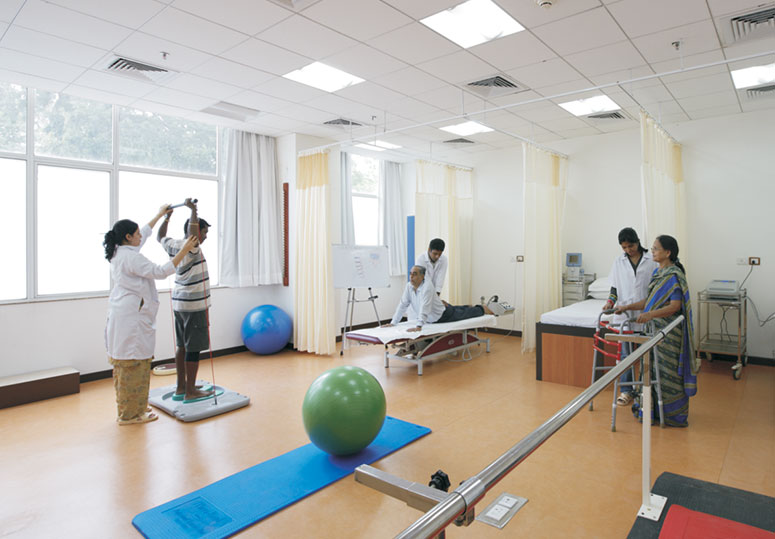
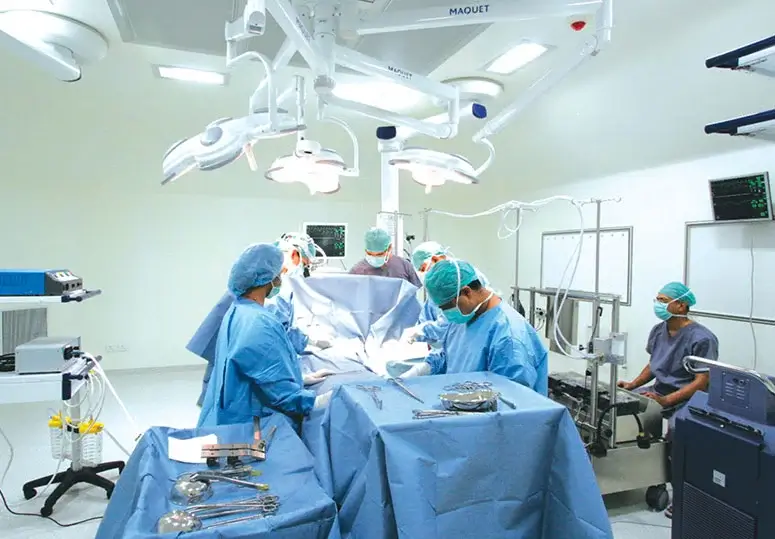
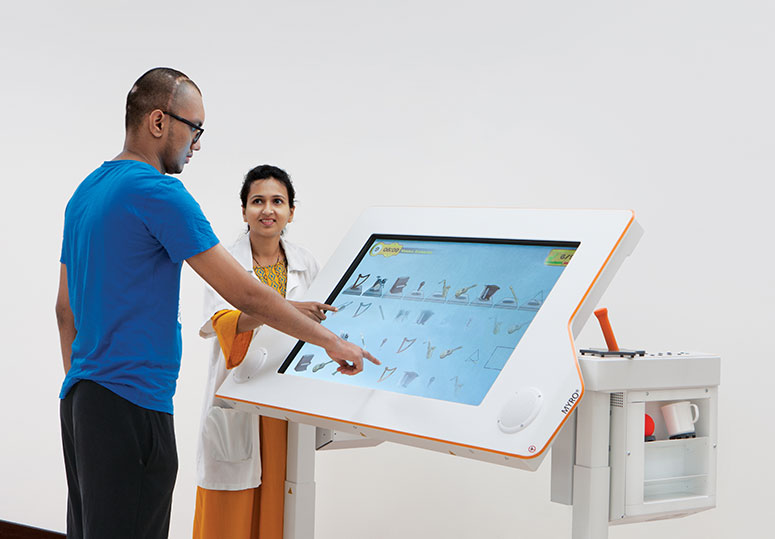
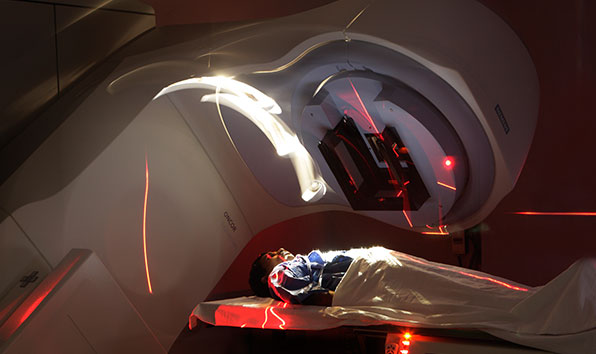
An overview of Jupiter Hospital’s infrastructure

Patients Speak
Hear the heartwarming stories of patients overcoming difficult afflictions




 Find a Doctor
 Health Checkup
 Book an Appointment