



 View Map
 Book an Appointment
 Find a Doctor
 Health Check-up


Silent Stroke: The Hidden Brain Damage You May Not Know About
Mar 18, 2026
Category: Blog

At Jupiter Hospital, we are equipped with over 30 specialty treatments. There are specialised departments dedicated to illnesses which are backed by skilled and experienced doctors and team of healthcare professionals who are also experts at their craft.
Have a query or need to visit an expert? Book an appointment online to consult our doctors and we’ll take care of your needs.
Established in 2007, Jupiter Hospital is a tertiary care Hospital with a ‘Patient first’ ideology deeply instilled in its foundation, to deliver leading-edge healthcare to cater to the changing needs of the growing populace.


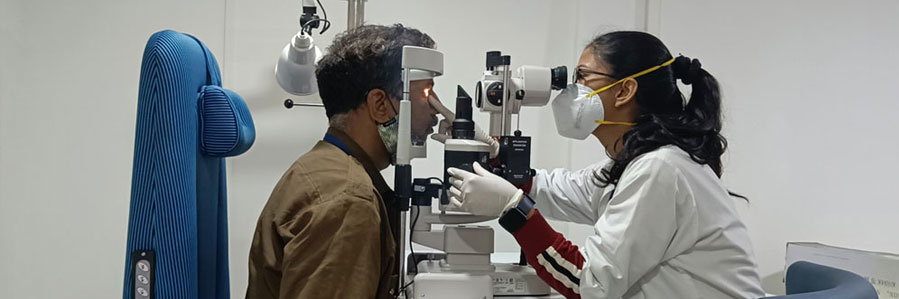
Through Jupiter Foundation, we ensure world class health care for the people that are economically challenged. Jupiter Foundation works on the philosophy of putting the patient first in everything.
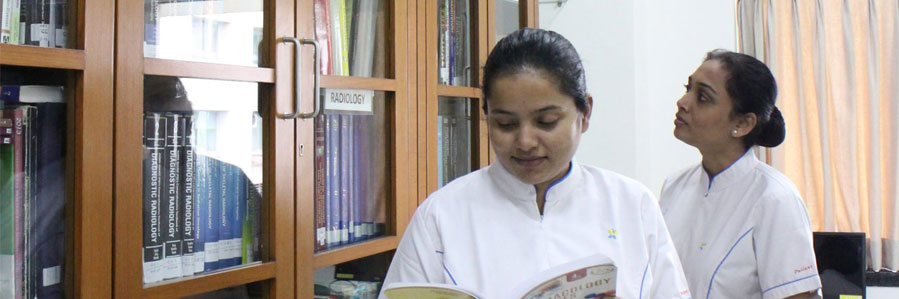
At Jupiter, we believe there is a better path to healing that humanizes the practice of health care and inspires hope in the Patient & family who need it most. Our primary value – The needs of the patient come first – is at centre of our plans and decisions. You'll also find that our pride – in where we work, and in what we do – is a common trait. You will be truly part of an amazing team committed to solving the most serious and complex medical challenges.


Eastern Express Highway, Service Rd, Next To Viviana Mall, Thane,
Maharashtra - 400601
Jupiter Hospital, Baner,
Pune.
Scheme No. 94, Sector 1,Ring Road, Near Teen Imli Square,
Indore,
Madhya Pradesh - 452020
Jupiter Hospital, Kalyan Shill Road,
Dombivli 421204

Mar 18, 2026
Category: Blog
Most people think a stroke always causes sudden symptoms like facial drooping, slurred speech, or paralysis. But sometimes a stroke can happen without any clear warning signs. This is known as a silent stroke, where a small blood vessel in the brain gets blocked and damages brain tissue without noticeable symptoms.
Because the affected area may control less obvious functions, many people do not realize a stroke has occurred, even though the brain has been injured.
Silent strokes are actually more common than regular strokes and are often discovered only during CT or MRI scans done for other reasons. Over time, repeated silent strokes can lead to memory problems, difficulty thinking, mood changes, and even dementia, which is why early detection and prevention are important for protecting brain health.
Key Data Points:
| Parameter | Clinical Impact |
|---|---|
| Nearly 5 times more common than regular strokes | Many occur without noticeable symptoms |
| Around 1 in 4 adults over age 80 | Have evidence of silent stroke on brain scans |
| Major risk groups | People with high blood pressure, diabetes, or heart disease |
| Long-term risk | Increases chances of future major stroke and dementia |
These numbers highlight why neurologists emphasize prevention and early screening for high-risk individuals.
A silent stroke is a type of ischemic stroke where a small clot blocks blood flow to a tiny part of the brain. Unlike a typical stroke, it does not produce immediate noticeable symptoms.
However, the affected brain cells still lose oxygen and may become permanently damaged.
Over time, multiple silent strokes can accumulate and affect brain function.
Silent strokes often impact areas responsible for:
The process is similar to a regular stroke but affects smaller blood vessels.
Critical stroke patients require more than standard ICU care. A dedicated Neuro ICU ensures specialized attention and rapid response.
Our Neuro ICU provides:
Although silent strokes initially have no clear symptoms, people may notice changes later such as:
If multiple silent strokes occur, they can eventually lead to vascular dementia.
Certain health conditions significantly increase the risk of silent stroke.
| Risk Factor | Why It Matters |
|---|---|
| High Blood Pressure | Damages small brain vessels |
| Diabetes | Affects blood circulation |
| High Cholesterol | Causes artery blockage |
| Smoking | Reduces oxygen supply |
|
Heart Disease |
Can form clots that travel to the brain |
| Aging | Blood vessels naturally become weaker |
Silent Stroke vs Regular Stroke
| Feature |
Silent Stroke |
Typical Stroke |
|---|---|---|
| Symptoms | Usually none initially | Sudden visible symptoms |
| Sudden visible symptoms | Often found on MRI/CT scan | Diagnosed immediately |
| Brain Damage | Small but real | Often larger areas |
| Risk of Future Stroke | Increased | Already high |
Even though silent strokes appear less dramatic, they should never be ignored.
Silent strokes are usually discovered during brain imaging tests done for other medical reasons or when doctors evaluate memory or neurological concerns.
Doctors may recommend tests such as:
Early diagnosis allows doctors to identify risk factors and start preventive treatment, reducing the chances of future strokes and protecting long-term brain health.
Since silent strokes are usually discovered after the damage occurs, treatment focuses on preventing further strokes.
Doctors may recommend:
Regular follow-ups with a neurologist help monitor brain health and reduce risks.
Expert Insight
Neurologists consider silent strokes a warning sign for future brain problems. Early detection and proper control of risk factors can help reduce the chances of stroke, cognitive decline, and long-term brain damage.
Yes. Silent strokes occur without obvious symptoms and are often detected only through brain imaging.
They are usually discovered during MRI or CT scans of the brain done for other medical evaluations.
Yes. Although small, they can accumulate and increase the risk of major stroke or dementia.
Managing blood pressure, diabetes, cholesterol, and maintaining a healthy lifestyle greatly reduces risk.
People with high blood pressure, diabetes, heart disease, or those over 60 should consider neurological screening.
Yes. The brain cells affected by the stroke may die, leaving small areas of permanent damage.
Silent strokes often occur without noticeable symptoms, but they can still cause damage to the brain over time. If left undetected, repeated silent strokes may lead to memory problems, thinking difficulties, or increased risk of a major stroke.
Managing risk factors like high blood pressure, diabetes, and high cholesterol, along with timely medical evaluation, can help reduce the risk and protect long-term brain health. If you notice persistent memory changes, balance issues, or other neurological concerns, it is important to seek medical advice.

Blog
Mar 18, 2026
Blog
Mar 18, 2026
Blog
Mar 18, 2026
Blog
Mar 18, 2026
Blog
Mar 18, 2026

Blog
Mar 18, 2026

Blog
Jan 16, 2026
Blog
Apr 13, 2023
Blog
Apr 13, 2023
Blog
Apr 13, 2023
Blog
Apr 13, 2023
Blog
Apr 13, 2023
Blog
Apr 13, 2023
Blog
Apr 13, 2023
Blog
Apr 13, 2023
Blog
Apr 13, 2023
Blog
Apr 13, 2023
Blog
Apr 13, 2023
Blog
Apr 13, 2023
Blog
Apr 13, 2023
Blog
Apr 13, 2023
Blog
Apr 13, 2023
Blog
Apr 13, 2023
Blog
Apr 13, 2023
Blog
Apr 13, 2023
Blog
Apr 11, 2023
Blog
Apr 11, 2023
Blog
Apr 10, 2023
Blog
Apr 10, 2023
Blog
Apr 10, 2023
Blog
Apr 10, 2023
Blog
Apr 10, 2023
Blog
Apr 10, 2023


 Find a Doctor
 Health Checkup
 Book an Appointment