



 View Map
 Book an Appointment
 Find a Doctor
 Health Check-up


What Happens to the Brain During a Stroke?
Mar 18, 2026
Category: Blog

At Jupiter Hospital, we are equipped with over 30 specialty treatments. There are specialised departments dedicated to illnesses which are backed by skilled and experienced doctors and team of healthcare professionals who are also experts at their craft.
Have a query or need to visit an expert? Book an appointment online to consult our doctors and we’ll take care of your needs.
Established in 2007, Jupiter Hospital is a tertiary care Hospital with a ‘Patient first’ ideology deeply instilled in its foundation, to deliver leading-edge healthcare to cater to the changing needs of the growing populace.


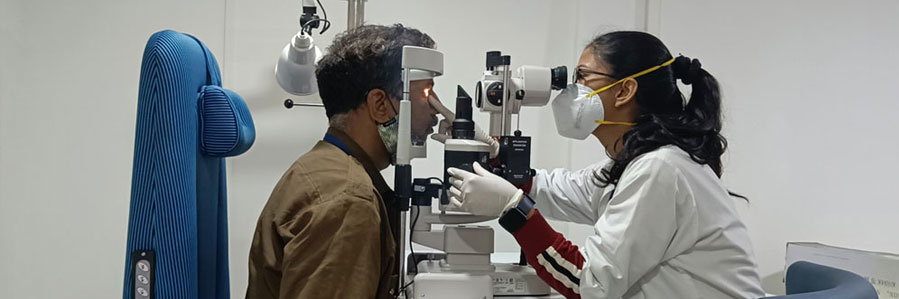
Through Jupiter Foundation, we ensure world class health care for the people that are economically challenged. Jupiter Foundation works on the philosophy of putting the patient first in everything.

At Jupiter, we believe there is a better path to healing that humanizes the practice of health care and inspires hope in the Patient & family who need it most. Our primary value – The needs of the patient come first – is at centre of our plans and decisions. You'll also find that our pride – in where we work, and in what we do – is a common trait. You will be truly part of an amazing team committed to solving the most serious and complex medical challenges.

Eastern Express Highway, Service Rd, Next To Viviana Mall, Thane,
Maharashtra - 400601
Jupiter Hospital, Baner,
Pune.
Scheme No. 94, Sector 1,Ring Road, Near Teen Imli Square,
Indore,
Madhya Pradesh - 452020
Jupiter Hospital, Kalyan Shill Road,
Dombivli 421204

Mar 18, 2026
Category: Blog
Have you ever wondered what happens inside the brain during a stroke? While many people know it is a medical emergency, few understand how quickly it can damage the brain.
A stroke occurs when the blood supply to a part of the brain is suddenly interrupted. Since brain cells need a constant supply of oxygen and nutrients, even a short disruption can begin to damage brain tissue within minutes.
Understanding what happens during a stroke can help people recognise symptoms early and seek immediate medical care, which can greatly improve recovery outcomes.
Benefits and Limitations:
| Key Statistic | Insight |
|---|---|
| Every year, millions of people worldwide suffer from stroke | Stroke is a major global health problem |
| Brain cells begin to die within minutes without oxygen | Early treatment is critical |
| Stroke risk increases after age 55 | But it can also occur in younger adults |
| High blood pressure is the biggest risk factor | Controlling BP reduces stroke risk significantly |
There are mainly two types of stroke:
This is themost common typeof stroke. It occurs when a blood clot blocks an artery supplying blood to the brain.
This occurs when a blood vessel in the brain ruptures ,causing bleeding inside or around the brain.
Both conditions prevent the brain from functioning normally and require immediate medical attention.
The brain depends on a continuous blood supply. When a stroke occurs, several changes happen rapidly.
1. Blood Flow Stops
A blocked or ruptured blood vessel prevents blood from reaching certain brain areas.
2. Oxygen Supply Reduces
Brain cells depend heavily on oxygen. Without oxygen, they start losing their function quickly.
3. Brain Cells Begin to Die
Within minutes, affected brain cells start dying. The longer the brain remains without blood supply, the greater the damage.
4. Brain Functions Are Affected
Different parts of the brain control different functions such as:
Recognising stroke symptoms early can save lives. The most common symptoms include:
| Letter | Meaning |
|---|---|
| F | Face drooping |
| A | Arm weakness |
| S | Speech difficulty |
| T | Time to call emergency services |
Quick treatment can significantly reduce brain damage and improve recovery.
Benefits include:
However, treatment effectiveness depends heavily on how quickly the patient reaches the hospital.
| Treatment | Used For | Purpose |
|---|---|---|
| Clot-busting medicines | Ischemic stroke | Dissolve the blood clot |
| Mechanical thrombectomy | Severe ischemic stroke | Remove the clot using a catheter |
| Surgery | Hemorrhagic stroke | Control bleeding and reduce pressure |
| Rehabilitation | All stroke patients | Restore lost functions |
Recovery after a stroke varies depending on the severity of brain damage and how quickly treatment was received.
Recovery may include:
According to neurologists, a stroke must always be treated as a medical emergency. The longer the delay in treatment, the greater the risk of permanent brain injury.
This is why immediate medical attention is critical. Early diagnosis with advanced brain imaging helps doctors quickly identify the type of stroke and start the most appropriate treatment. Timely intervention can help limit brain damage, improve recovery, and reduce the chances of long-term disability.
Lifestyle changes like healthy diet and regular exercise
Some patients recover within weeks, while others may require long-term rehabilitation.
Yes. Although stroke is more common in older adults, it can also occur in younger individuals due to conditions like high blood pressure, heart disorders, or lifestyle factors.
Ideally within the first 4.5 hours, as some treatments are most effective during this period.
If treated early, some brain damage can be reduced and recovery can improve.
High blood pressure, diabetes, smoking, high cholesterol, obesity, and heart disease are major risk factors.
Yes. Controlling blood pressure, maintaining a healthy diet, regular exercise, and avoiding smoking can significantly reduce the risk.
Yes. Rehabilitation plays a major role in helping patients regain lost abilities and improve quality of life.
A stroke is a serious medical emergency that can affect the brain within minutes. When blood supply to the brain is disrupted, brain cells begin to die rapidly, which may lead to long-term disability if not treated quickly.
Recognising symptoms early and seeking immediate medical care can make a significant difference in recovery and survival.

Blog
Mar 18, 2026
Blog
Mar 18, 2026
Blog
Mar 18, 2026
Blog
Mar 18, 2026
Blog
Mar 18, 2026

Blog
Mar 18, 2026

Blog
Jan 16, 2026
Blog
Apr 13, 2023
Blog
Apr 13, 2023
Blog
Apr 13, 2023
Blog
Apr 13, 2023
Blog
Apr 13, 2023
Blog
Apr 13, 2023
Blog
Apr 13, 2023
Blog
Apr 13, 2023
Blog
Apr 13, 2023
Blog
Apr 13, 2023
Blog
Apr 13, 2023
Blog
Apr 13, 2023
Blog
Apr 13, 2023
Blog
Apr 13, 2023
Blog
Apr 13, 2023
Blog
Apr 13, 2023
Blog
Apr 13, 2023
Blog
Apr 13, 2023
Blog
Apr 11, 2023
Blog
Apr 11, 2023
Blog
Apr 10, 2023
Blog
Apr 10, 2023
Blog
Apr 10, 2023
Blog
Apr 10, 2023
Blog
Apr 10, 2023
Blog
Apr 10, 2023


 Find a Doctor
 Health Checkup
 Book an Appointment